Classic Cars
Buying a Classic Car: The Inspection That Saves a Restoration
Paint and chrome sell a classic car. Rust, rubber and paperwork decide what it really costs. Here is the order to check before you make an offer.
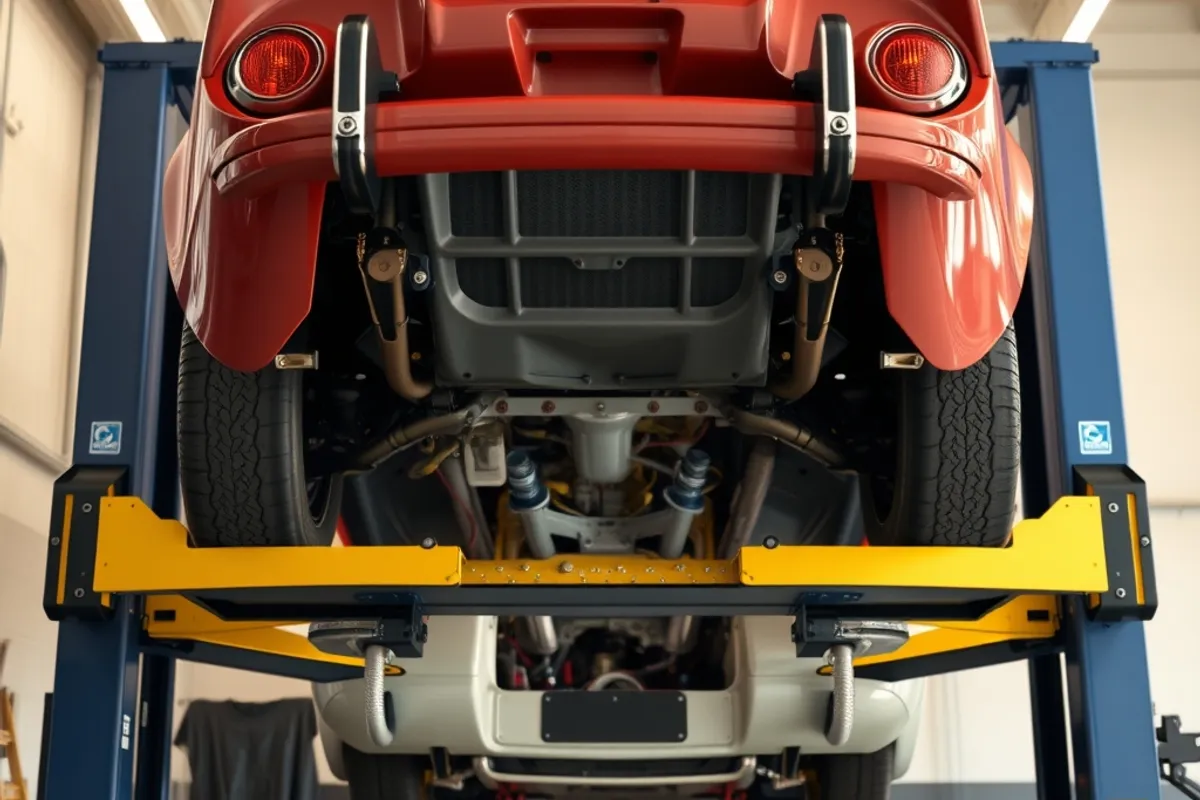
A classic car purchase is usually an emotional decision wrapped in a practical one. The shape, the sound and the smell do most of the selling. The job of an inspection is to find out whether the car is a hobby or a financial hole before the emotion makes the decision.
The order matters. Check the structure first, then the mechanicals, then the paperwork. A beautiful interior and a rebuilt engine cannot rescue a shell that needs new sills, floors and jacking points.
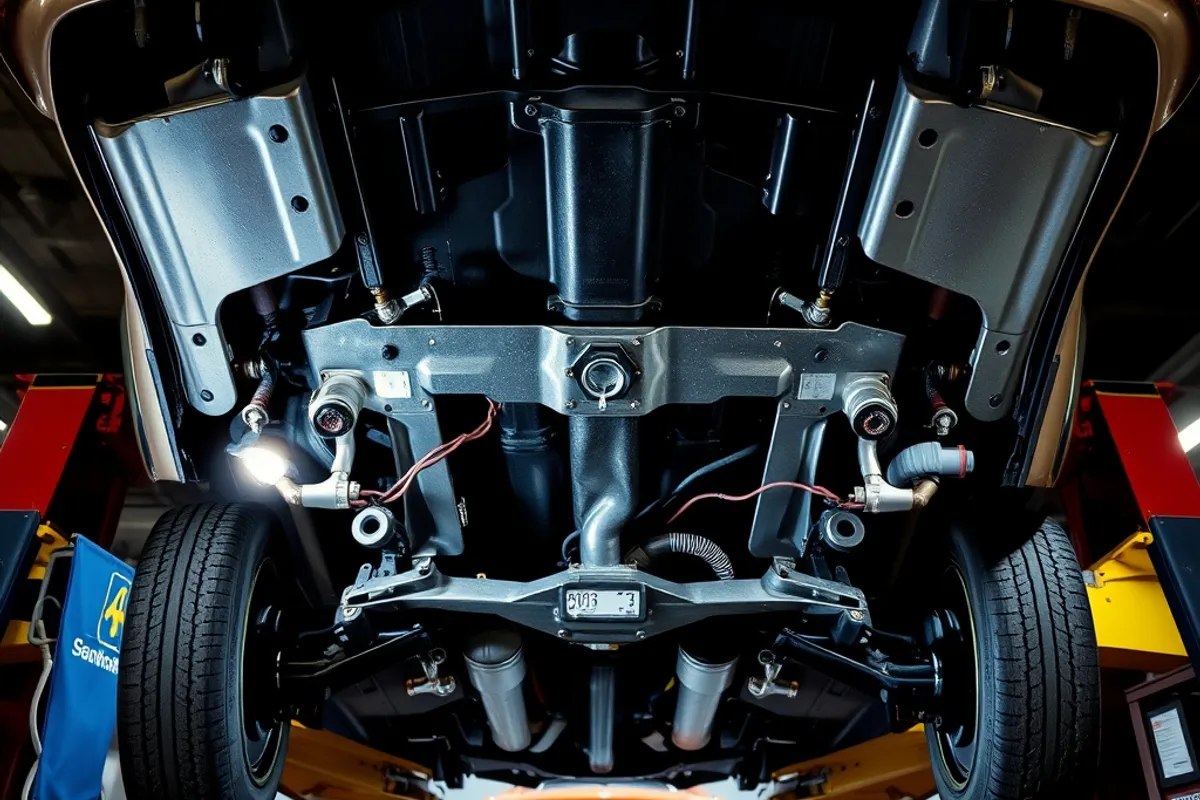
Body and structure first
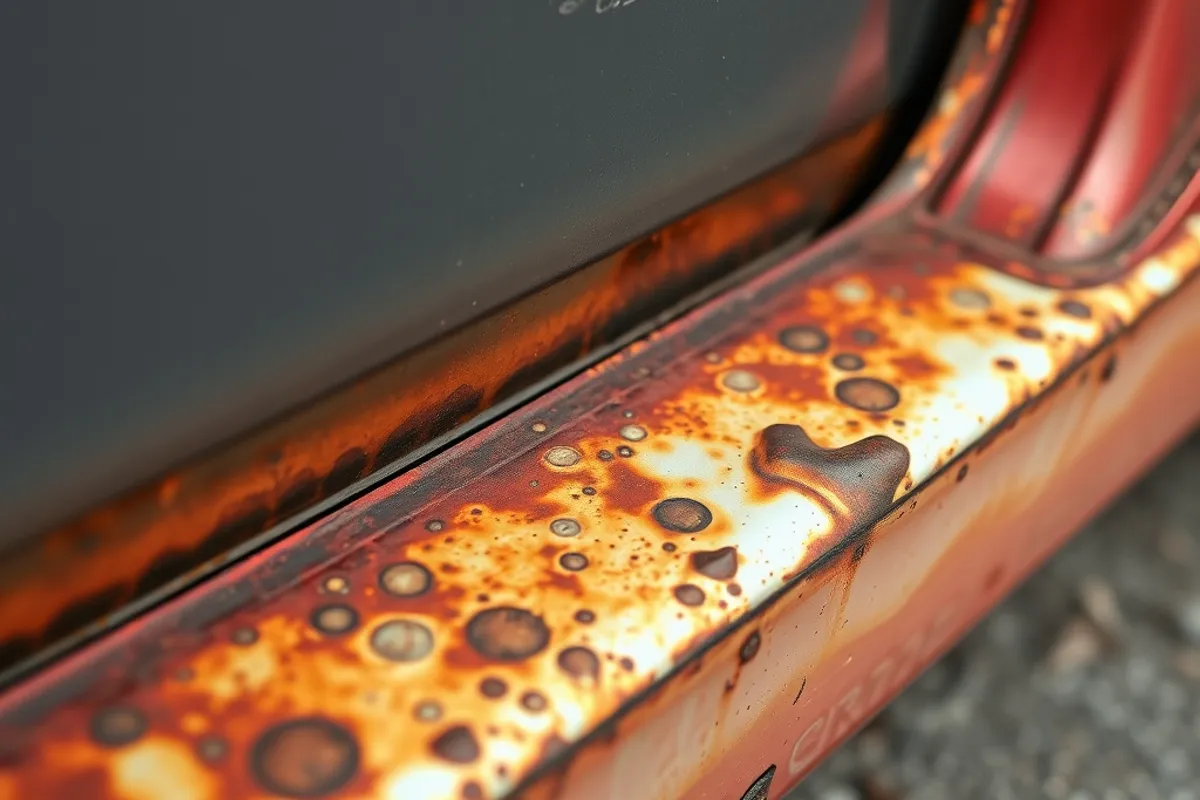
Bring a magnet, a torch and a screwdriver. Run the magnet along the sills, wheel arches, floor pans and lower panels. It will not stick to filler, which is a useful warning. Tap suspect areas with the screwdriver handle and listen for a dull thud instead of a clean ring.
Check the jacking points, strut towers, boot floor and the area around the windscreen. These are structural and expensive. Fresh underseal can hide rust, so look for overspray, soft seams and bubbles under the paint. A lift is ideal, but ramps and a good torch will do.
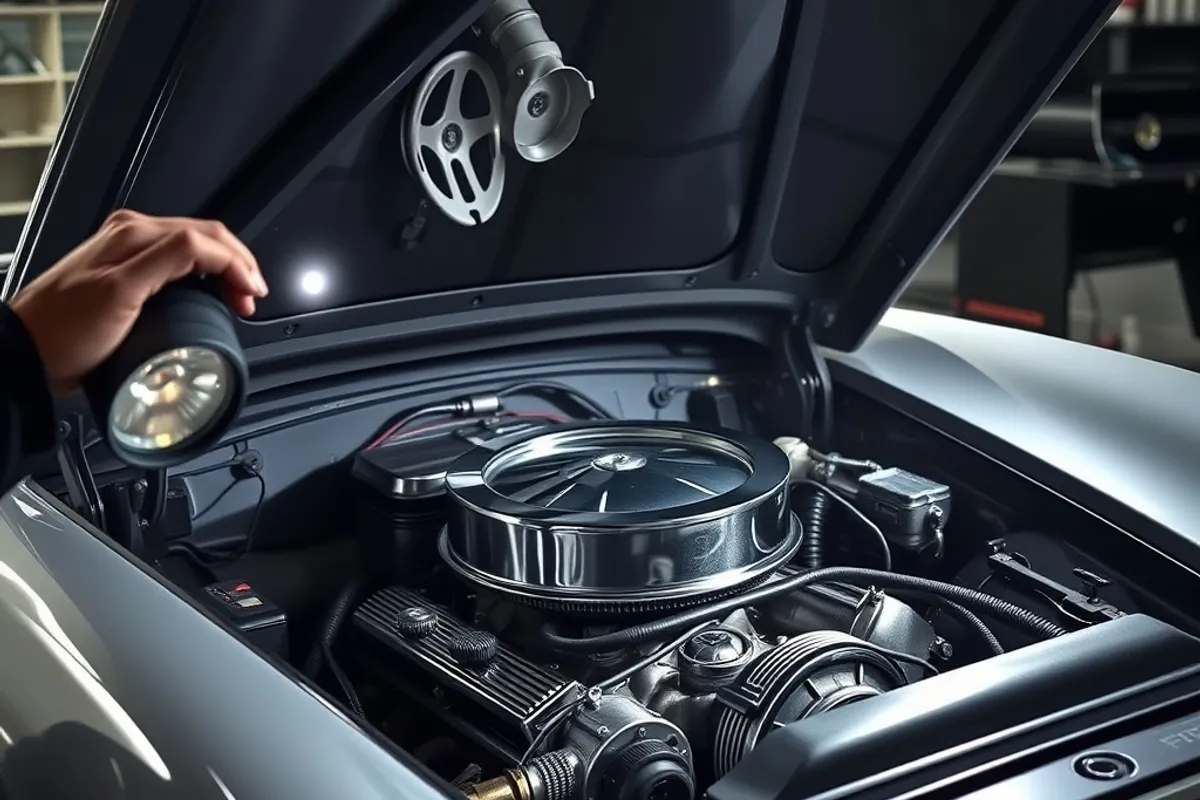
Mechanical checks
Start the engine from cold. A warm engine can hide a weak battery, a tired starter or a cold-start fault. Listen for timing chain rattle, exhaust leaks and lifter noise. Look at the exhaust for blue smoke on start-up and after a long idle.
Drive the car through the full range: brakes, steering, gearbox, overdrive and differential. A short, gentle drive is not enough. A classic that has sat for years will need every rubber component, so price coolant hoses, brake lines, bushes and tires even if they look serviceable.
Papers and provenance
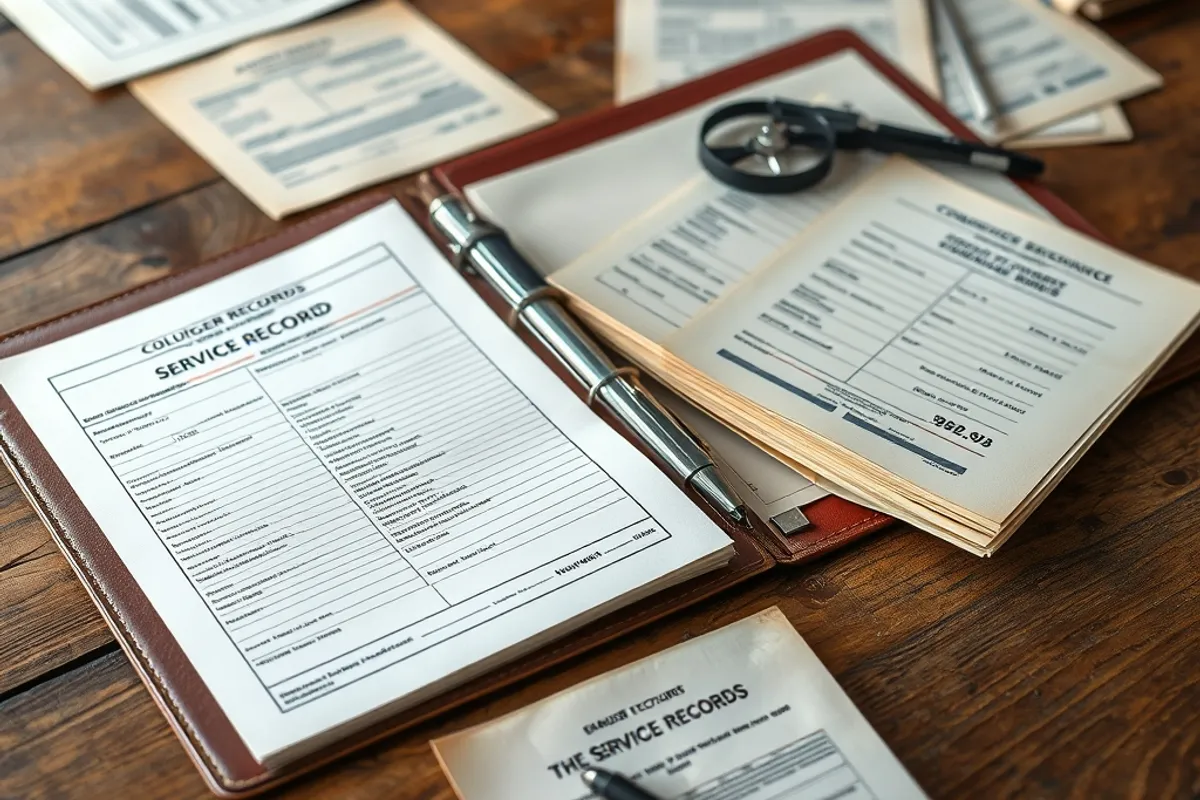
The registration document, service history, old MOT certificates and receipts tell you how the car has been treated. A folder of invoices is worth more than a verbal story. Check the chassis and engine numbers against the paperwork and the model's known records.
Originality affects value, but a well-documented restoration can be worth more than a scruffy original. The important thing is honesty. A car presented as original but full of filler and a replacement engine is a negotiation problem, not a collector's item.
Set a budget for the purchase and a separate budget for the first year. Classic ownership always produces surprises: a leaking seal, a failed fuel pump, a brake caliper that will not release. The best buys leave room for those surprises.
For model-specific guidance, owners clubs are usually more useful than general forums. The Federation Internationale des Vehicules Anciens lists clubs by country, and a local specialist who knows the model is worth paying for an inspection.