Classic Cars
Buying a Classic Car: The Inspection That Saves a Restoration
Paint and chrome sell a classic car. Rust, rubber and paperwork decide what it really costs. Here is the order to check before you make an offer.
A classic car is a hobby, a liability and a piece of engineering history in one package. The difference between a good ownership experience and a financial hole is usually decided before the money changes hands, during an inspection most buyers skip.
Our Classic Cars section is about the unglamorous parts: rust, rubber, paperwork and storage. Get those right and the driving takes care of itself.
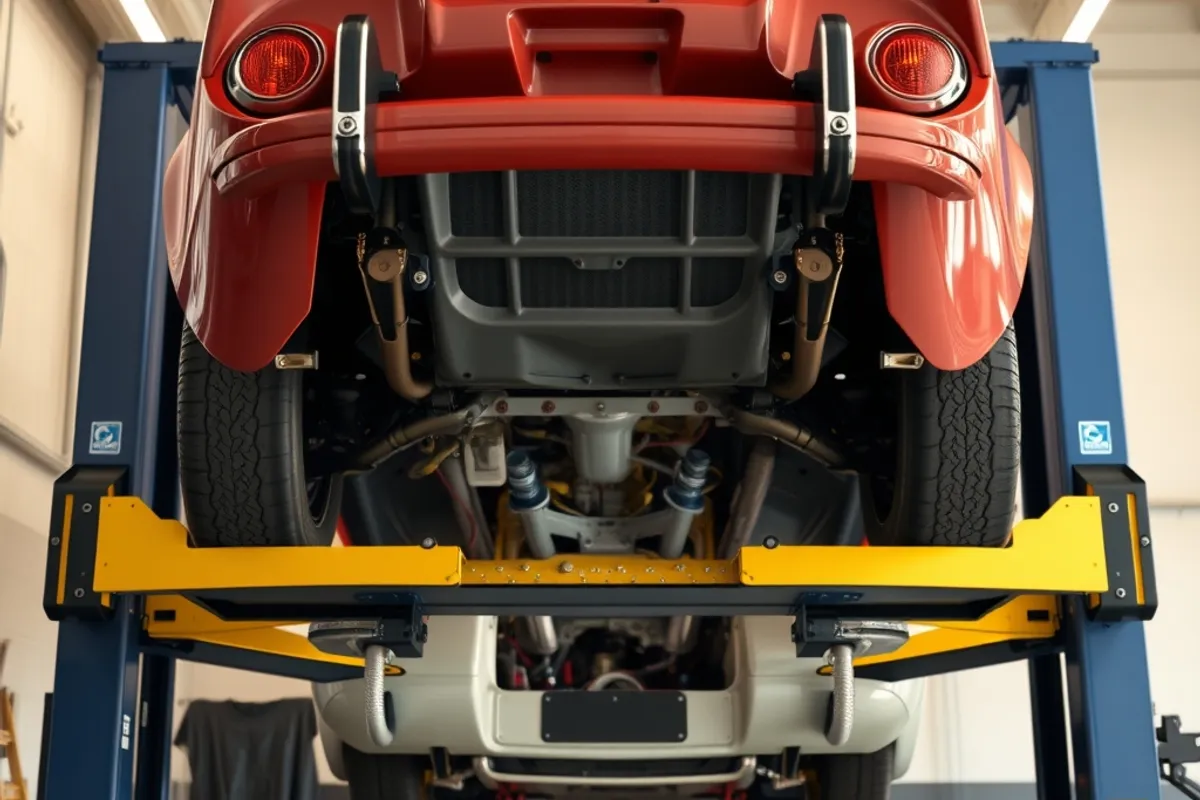
Mechanical parts can be rebuilt or replaced. Structural rust cannot be fixed cheaply, and it hides under trim, seam sealer and fresh underseal. Bring a magnet, a torch and a screwdriver, and check the sills, floors, jacking points, strut towers and boot floor.
Panel gaps tell a story about accident repair, and paint thickness tells another. A car with a perfect shine and uneven gaps is usually a car with a past. Originality matters less than structural integrity, but both affect value.
Start the engine from cold, not warm. Listen for timing chain rattle, exhaust leaks and lifter noise. Check for oil smoke on start-up and after a long idle. A compression test and a look at the spark plugs reveal more than a short test drive.
Drive it properly: brakes, steering, gearbox, overdrive and differential. A classic that has sat for years will need every rubber component, so budget for coolant hoses, brake lines, bushes and tires even if they look fine.
Rust needs moisture and oxygen, and a sealed garage with a cold floor supplies both. Keep the car dry, ventilated and above freezing. A dehumidifier or a breathable car cover helps more than a thick plastic sheet, which traps condensation against the paint.
Do not store a car on grass or bare concrete. Use a dry mat or plastic sheet under the tires, leave the handbrake off, and overinflate the tires slightly to avoid flat spots. Disconnect the battery or use a maintenance charger.
Old cars need frequent small services rather than rare big ones. Change oil and brake fluid on time, grease the joints, check the coolant and inspect hoses before every long trip. A five-minute check at home is cheaper than a breakdown 200 miles away.
For parts and technical references, owners clubs are usually better than general forums. The Federation Internationale des Vehicules Anciens lists clubs by country, and a local club is the fastest route to a specialist who knows your model.
Paint and chrome sell a classic car. Rust, rubber and paperwork decide what it really costs. Here is the order to check before you make an offer.
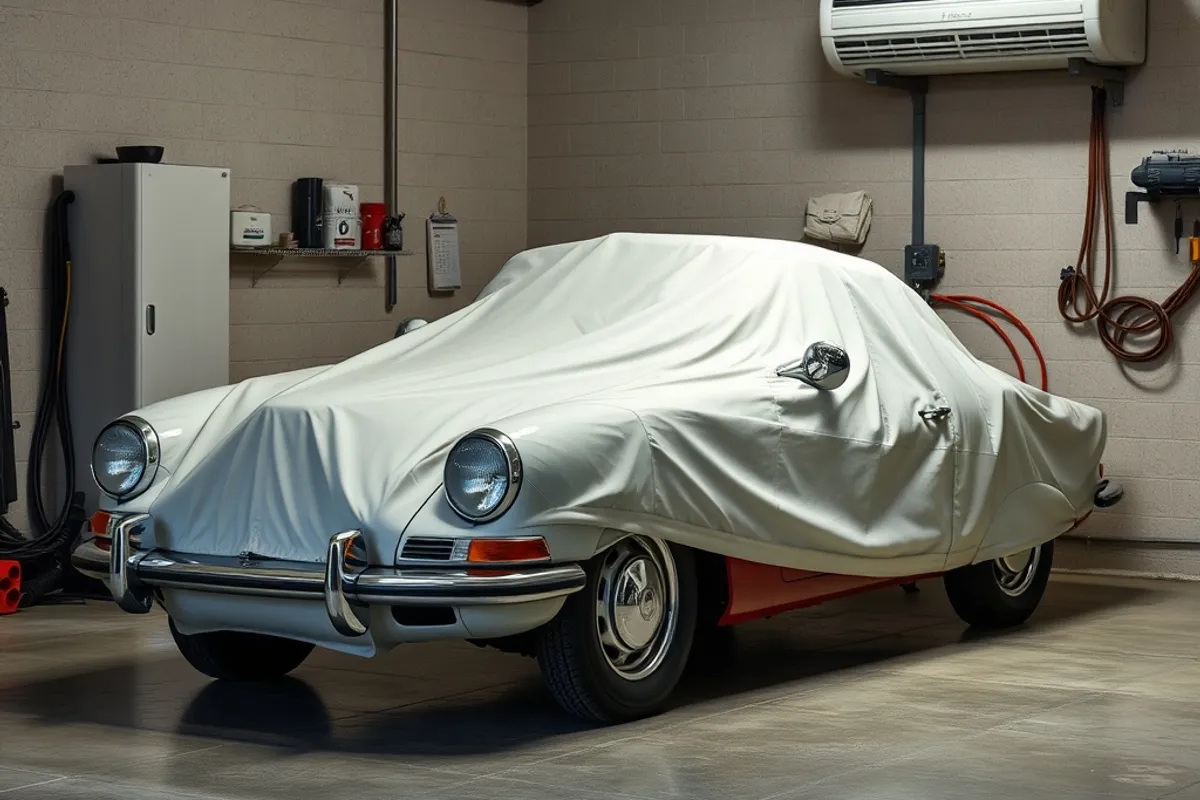
Most classic car deterioration happens while the car is parked. Here is how to store one properly and the small maintenance routine that prevents big bills.