Classic Cars
Classic Car Storage: Keeping Old Metal Alive
Most classic car deterioration happens while the car is parked. Here is how to store one properly and the small maintenance routine that prevents big bills.
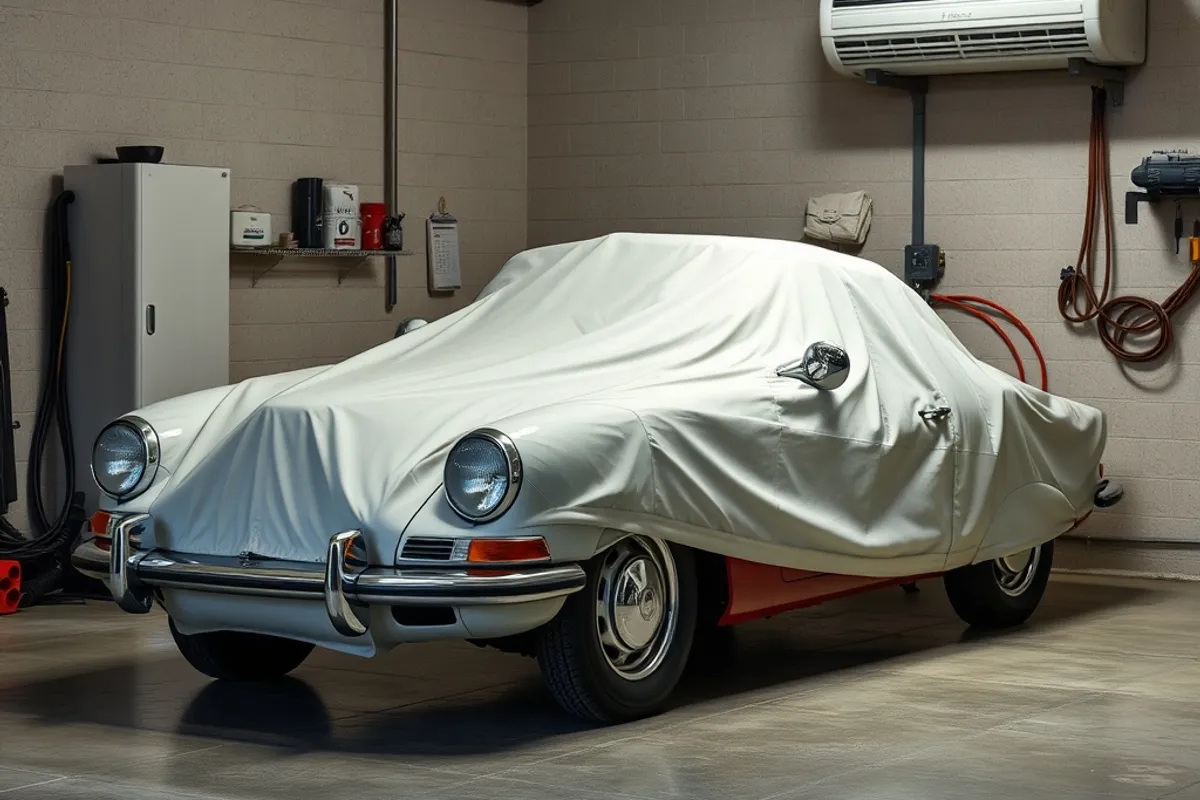
A classic car is often used less than it should be. That is exactly when storage becomes the main threat. Moisture, rodents, flat spots and stale fuel can do more damage in six months of sitting than a year of careful driving.
The goal is stable conditions: dry air, steady temperature, ventilation and a clean surface. A heated garage is nice, but a dry, ventilated one is more important. Plastic sheets that trap condensation can do more harm than good.

Storage is a climate problem
Rust needs moisture and oxygen. A sealed garage with a cold concrete floor supplies both, especially when warm air enters and condenses on cold metal. Keep the car dry, ventilated and above freezing, and use a dehumidifier or a breathable cover rather than a sealed plastic sheet.
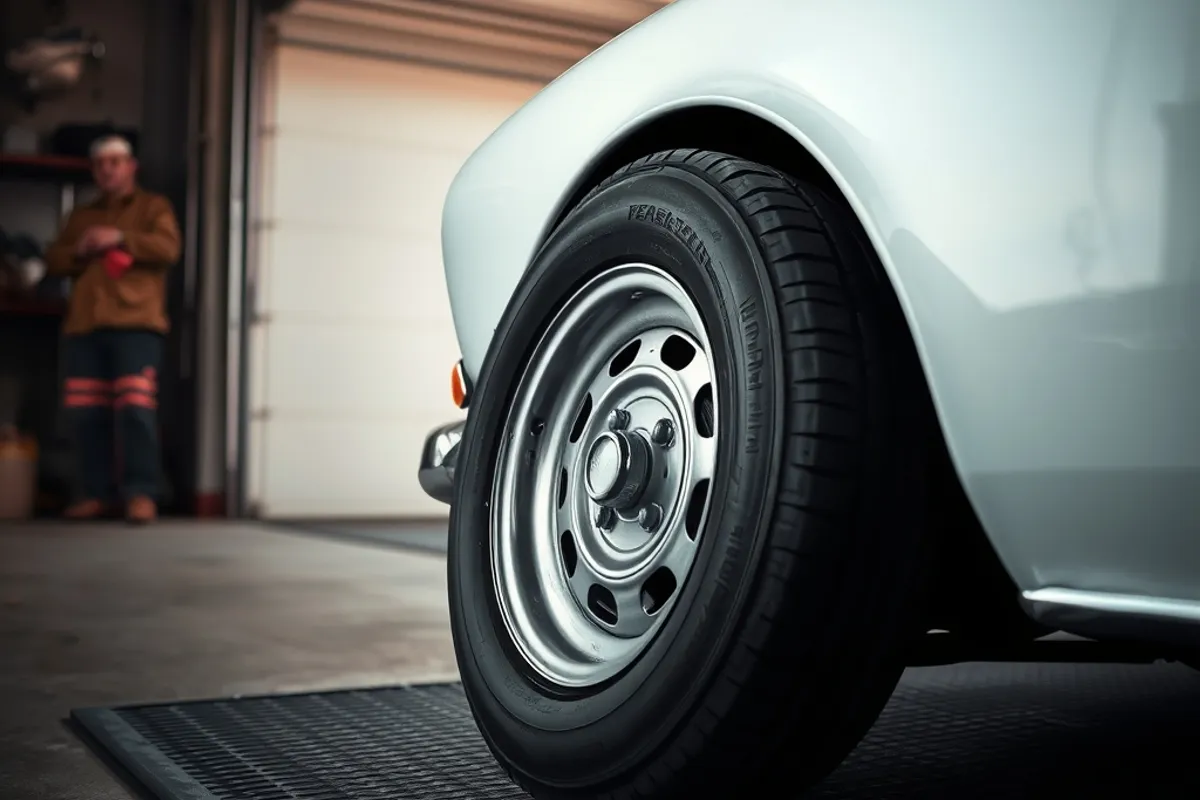
Do not park on grass or bare concrete. Use a dry mat or a plastic sheet under the tires to block rising damp. Leave the handbrake off so the rear brakes do not seize, and chock the wheels instead. Overinflate the tires slightly to reduce flat spots.
Fluids and seals
Old oil holds acids and moisture, so change it before storage rather than after. Top up the coolant with the correct mix, and check brake and clutch fluid. Fuel can go stale in a few months; a stabilizer helps, and a full tank reduces condensation inside the tank.
Rubber seals dry out when a car sits. Apply a compatible conditioner to door and window seals, and exercise the brakes and clutch occasionally if the car is stored long-term. A car that is started briefly and not driven can do more harm than one left alone, because it never reaches full temperature.
A maintenance rhythm
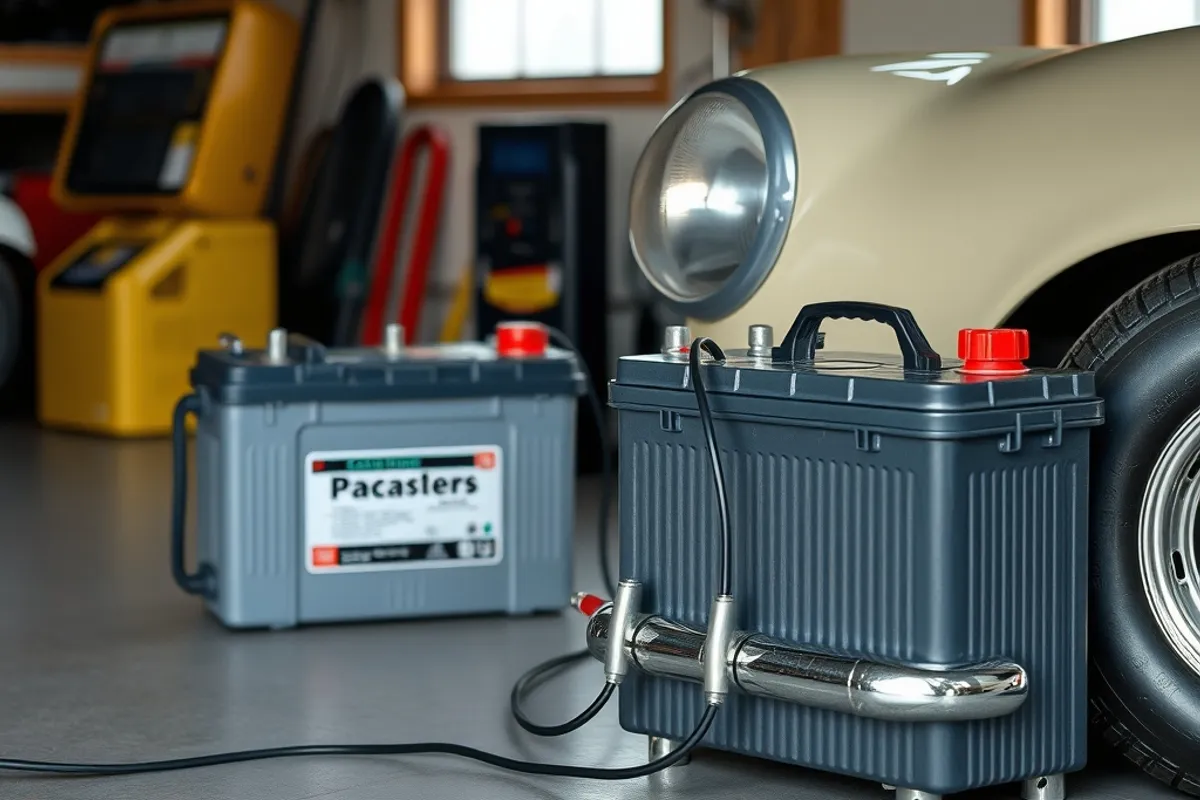
Use a maintenance charger or disconnect the battery. Modern chargers are safe to leave connected and prevent the slow discharge that kills batteries. Check tire pressures monthly, and move the car a few inches if you can, to change the contact point.
Before the first drive of the season, check every fluid, inspect the belts and hoses, test the brakes and look for leaks. A five-minute check at home is cheaper than a breakdown 200 miles away. Old cars reward attention more than they reward neglect.
Rodents are the other storage risk. They nest in air boxes, chew wiring and leave debris that blocks drains. Inspect the engine bay and interior regularly, and avoid storing food or bedding nearby. A few traps are cheaper than a loom repair.
For parts and technical references, owners clubs remain the best source. The Federation Internationale des Vehicules Anciens lists clubs by country, and a local club will know which specialists are honest and which parts are still available.