Tire Technology
Tire Compounds and Construction Explained
Rubber, cords and steel belts determine grip, noise and wear. Here is what each part does and why the numbers on the sidewall matter more than the marketing.
The tire is the only part of the car that touches the road, and it is the part most drivers understand least. Compound, construction, tread pattern and inflation pressure all change how a car stops, steers and sounds, often more than the engine does.
Our Tire Technology section separates the marketing from the engineering. We explain what each specification controls and what it means for the way you actually drive.
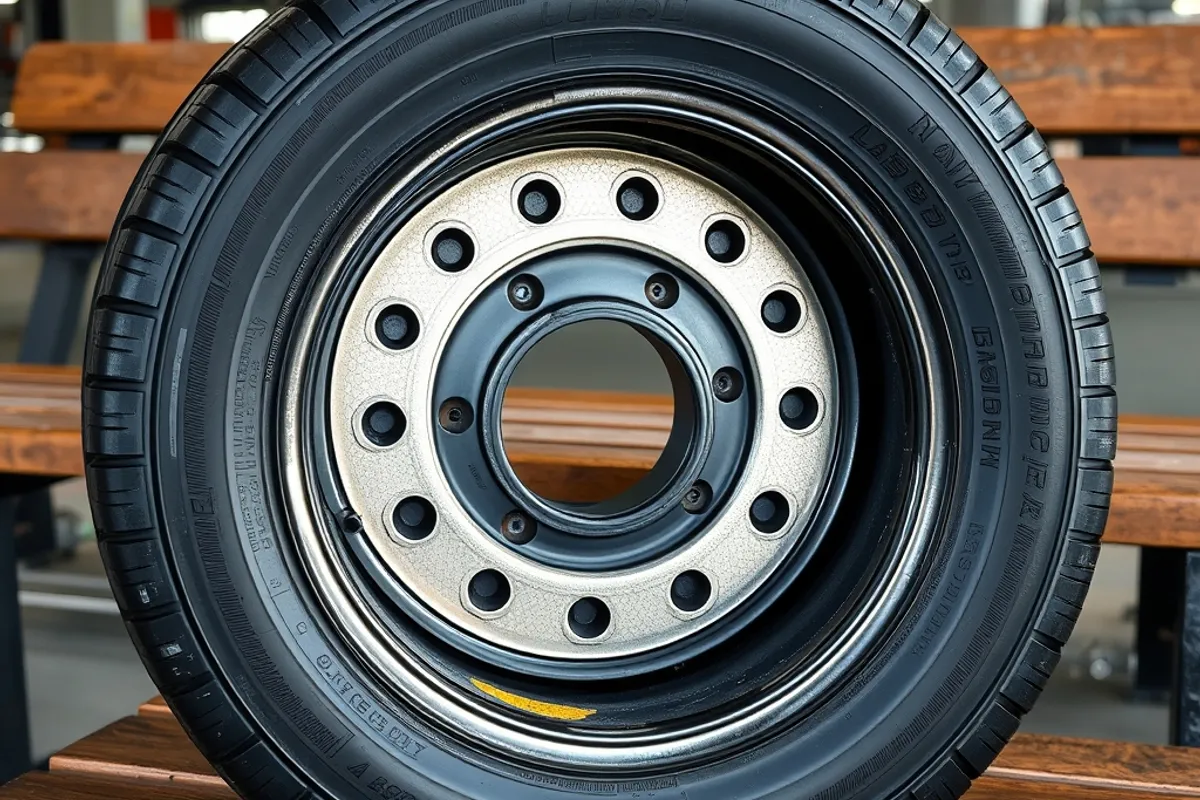
A passenger tire is a composite of rubber compounds, fabric cords, steel belts and a bead that seals against the rim. The tread is only the outer layer. Most of the structure that carries load and resists heat is hidden inside.
The sidewall carries the size, load index, speed rating and date code. Those numbers matter more than the brand story on the tread. A tire that is too old, underinflated or wrongly rated cannot be fixed by a premium badge.
Rubber does not have one fixed level of grip. It softens as it warms, which is why a performance tire feels wooden on a cold morning and sharp after a few miles. Summer, winter and all-season compounds are formulated for different temperature windows.
A soft compound grips more but wears faster. A hard compound lasts longer but gives up peak grip and wet performance. That trade-off is the whole game, and no compound wins on every axis.
A stiffer sidewall sharpens steering response and supports a heavy vehicle, but it transmits more road noise and impact. A softer sidewall rides better and absorbs bumps, at the cost of precision. Run-flat and extra-load tires sit at the stiff end.
Wheel size changes the balance too. A larger rim with a shorter sidewall looks sharp and turns in quickly, but it leaves less rubber to absorb potholes. That is a comfort and damage trade, not a free upgrade.
Tread depth is the visible limit, but age matters even on a tire with tread left. Rubber oxidizes, and a six-year-old tire can crack from the inside before the outside shows it. Check the four-digit date code on the sidewall.
Replace tires in pairs on the same axle, and ideally as a set. Mixing compounds or wear levels across an axle upsets balance in an emergency stop. For load and speed ratings, the U.S. Tire Manufacturers Association publishes plain-language guidance.
Rubber, cords and steel belts determine grip, noise and wear. Here is what each part does and why the numbers on the sidewall matter more than the marketing.
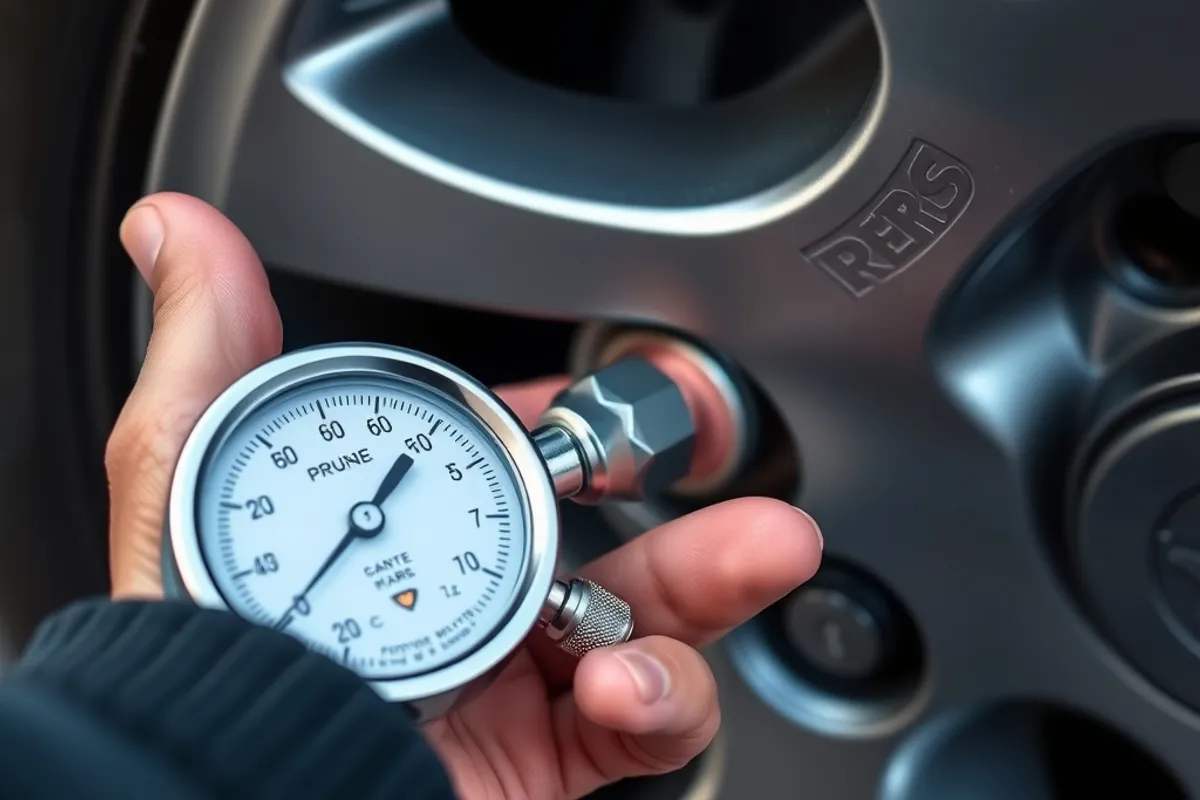
Correct tire pressure is the cheapest performance and safety upgrade. Here is how pressure affects wear, grip and fuel use, and how to check it properly.