Tire Technology
Tire Pressure and Wear: How to Get Longer Life and Safer Stops
Correct tire pressure is the cheapest performance and safety upgrade. Here is how pressure affects wear, grip and fuel use, and how to check it properly.
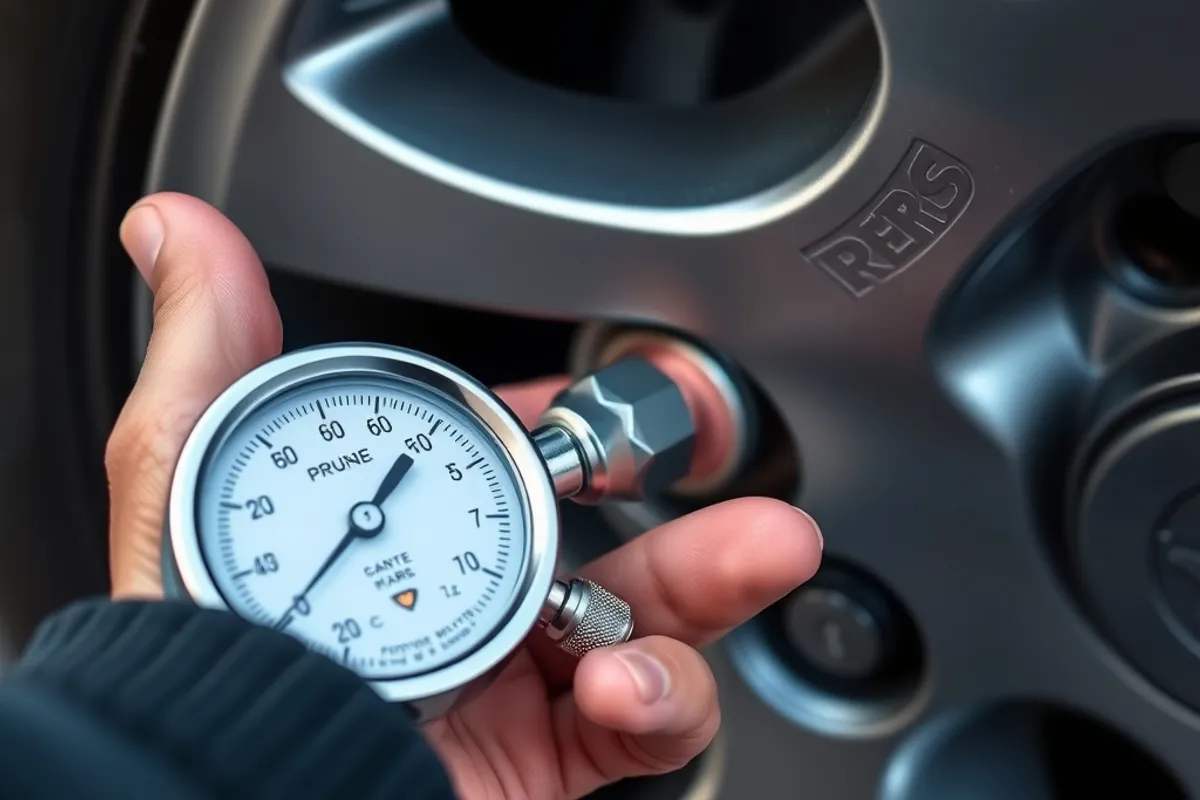
Tire pressure is one of those things that seems trivial until it is wrong. A few PSI out of spec can affect stopping distance, fuel consumption, tire life and even how the car behaves in an emergency. The fix costs nothing and takes five minutes.
The pressure printed on the sidewall is the maximum pressure the tire can take, not the recommended pressure for your car. The correct number is on a sticker inside the driver's door jamb, or in the owner's manual. Use that number, adjusted for load if the manual says so.
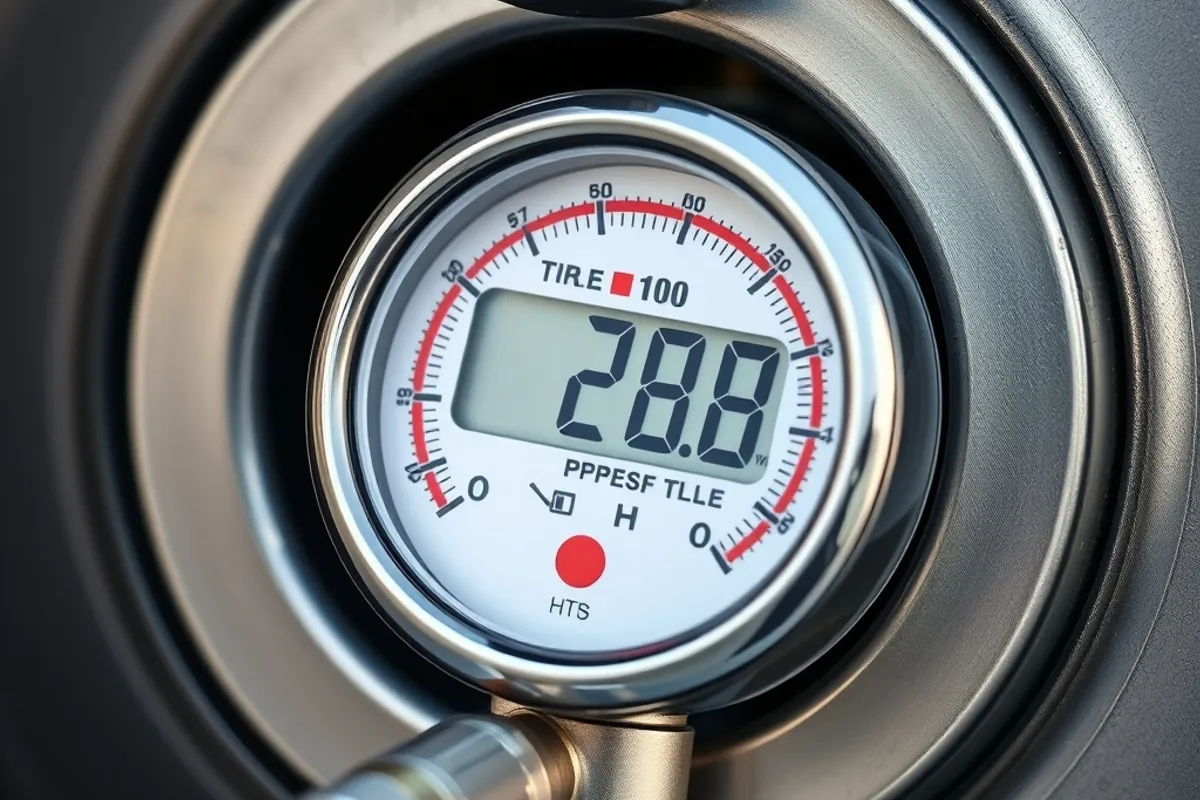
How pressure changes wear
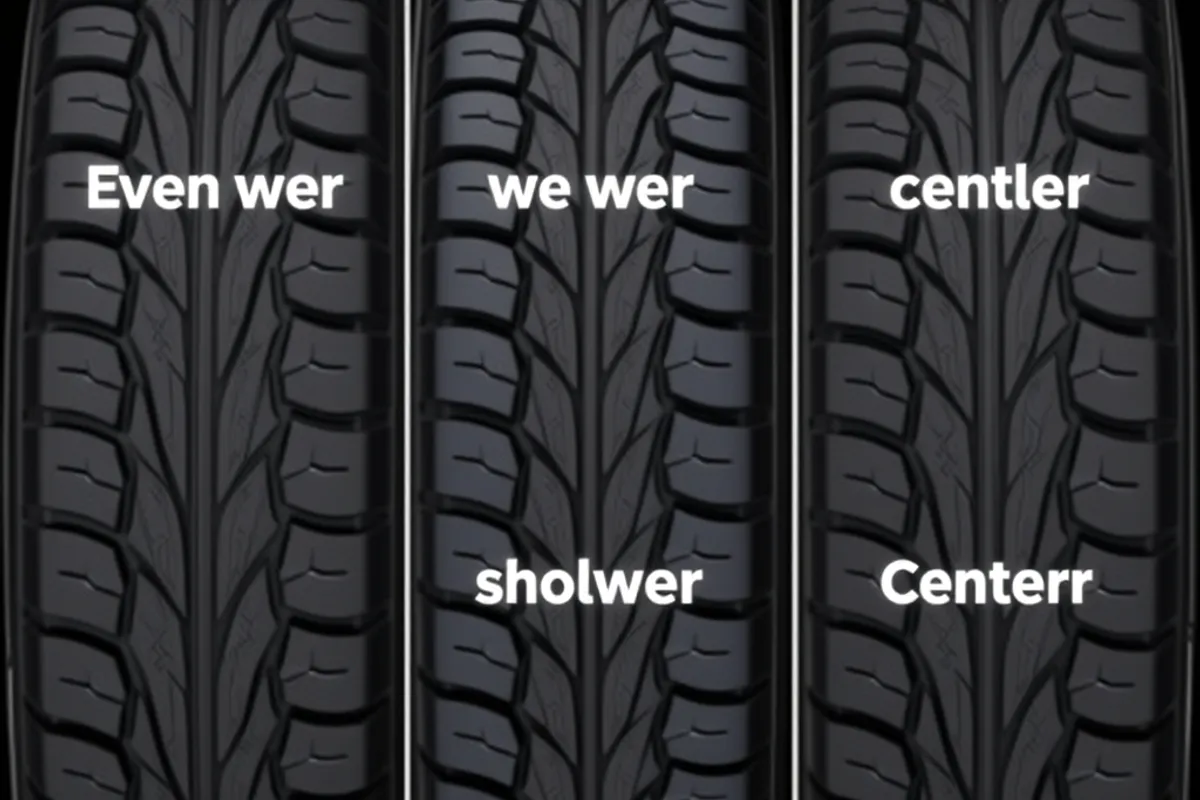
When a tire is underinflated, the sidewalls flex more and the contact patch spreads toward the shoulders. That concentrates wear on the outer edges and builds up heat. Heat is the enemy: it accelerates wear and increases the risk of a blowout.
When a tire is overinflated, the contact patch shrinks to the centre of the tread. The car rides on a smaller area, which increases wear in the middle and makes the tire more sensitive to bumps and potholes. Grip in wet conditions also suffers because less rubber is in contact with the road.
Grip, stopping and fuel
Braking relies on the size and shape of the contact patch. Too much or too little pressure reduces the effective contact area, which lengthens stopping distances. In the wet, even tread depth is only half the story: pressure affects how water is displaced.
Underinflation increases rolling resistance, which means the engine has to work harder and fuel consumption goes up. The effect is measurable, and correcting pressure is usually the fastest way to recover a small amount of efficiency without any other changes.
Checks and rotation
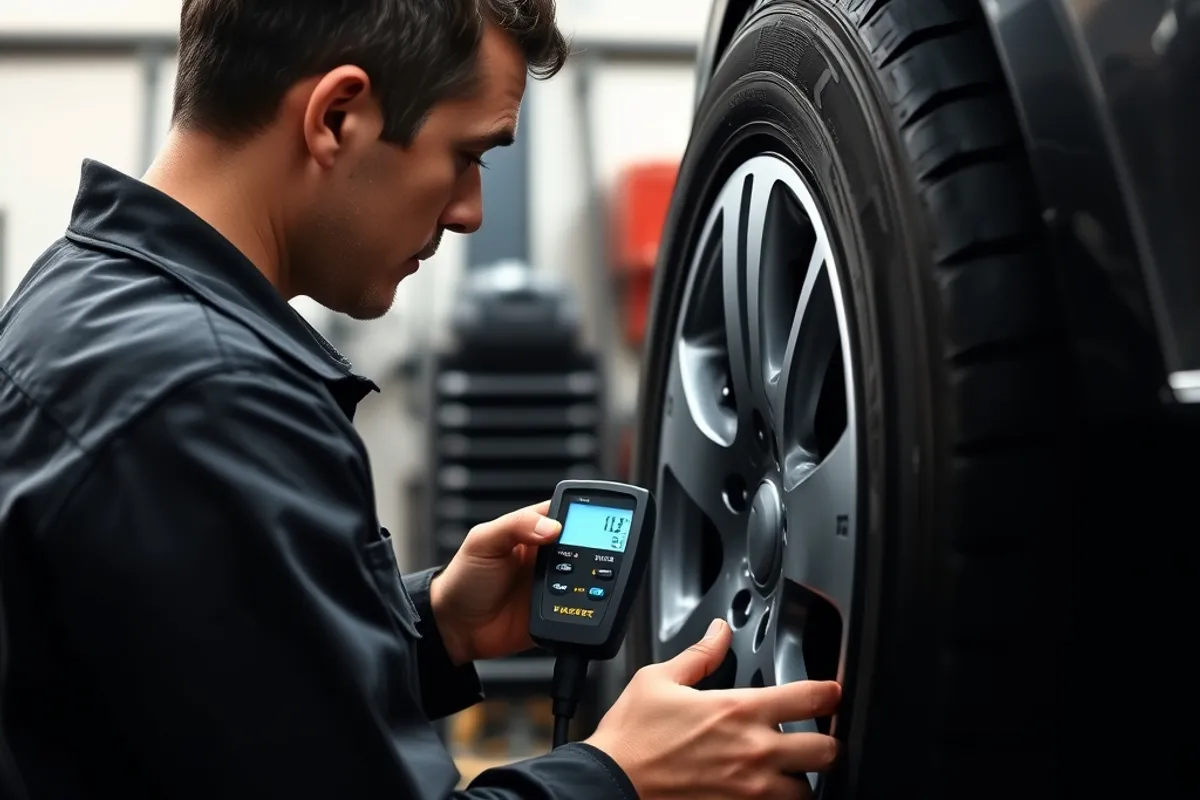
Check pressure at least once a month and before long trips, when the tires are cold. If you must check after driving, add three to five PSI to the door jamb value as a rough rule, but the manufacturer's recommendation is always the reference.
Rotate tires at the interval in the manual to spread wear evenly. Wheel alignment also matters: misalignment can cause shoulder wear on one side or feathering across the tread. Uneven wear that returns after rotation usually points to alignment or a suspension issue.
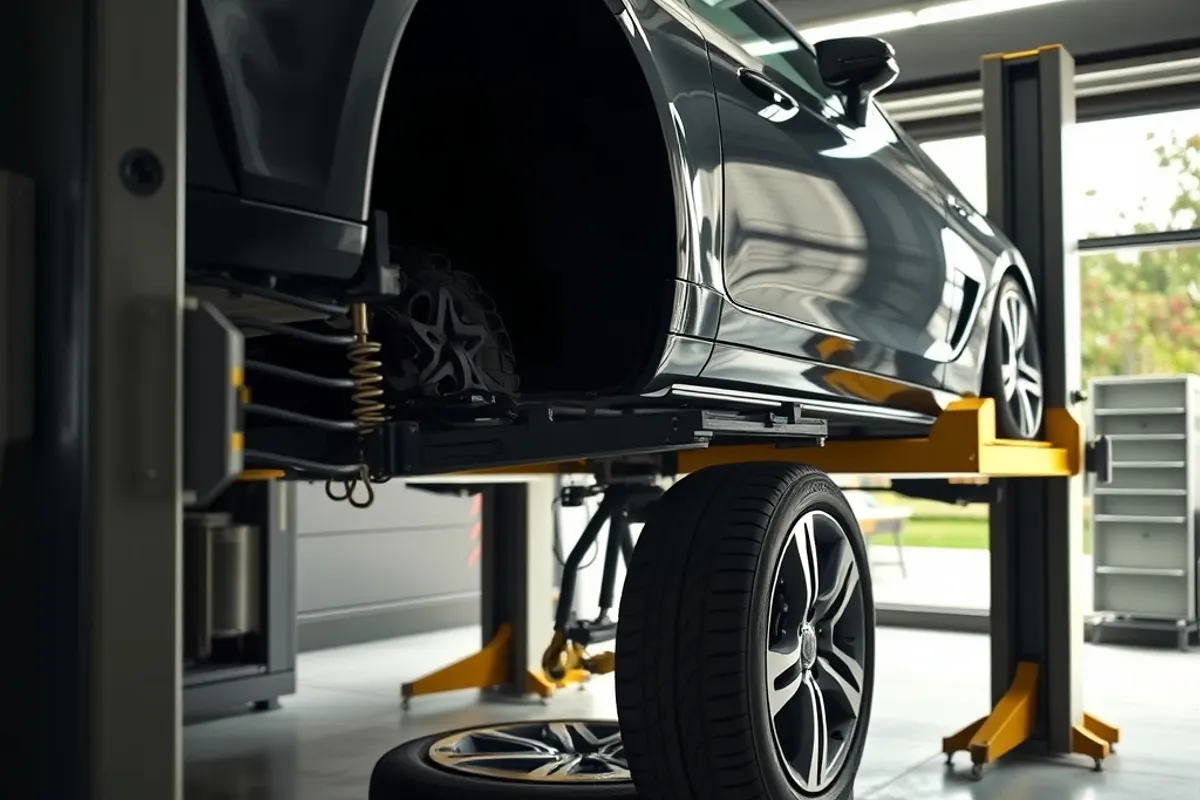
Do not forget the spare if your car has one. A full-size spare also needs pressure checks, and a space-saver is only meant for short distances at reduced speed.
For a basic overview of how rolling resistance works, the Wikipedia article on rolling resistance is a good primer. The important point is simple: correct pressure is cheaper than new tires, cheaper than wasted fuel and easier than an accident.