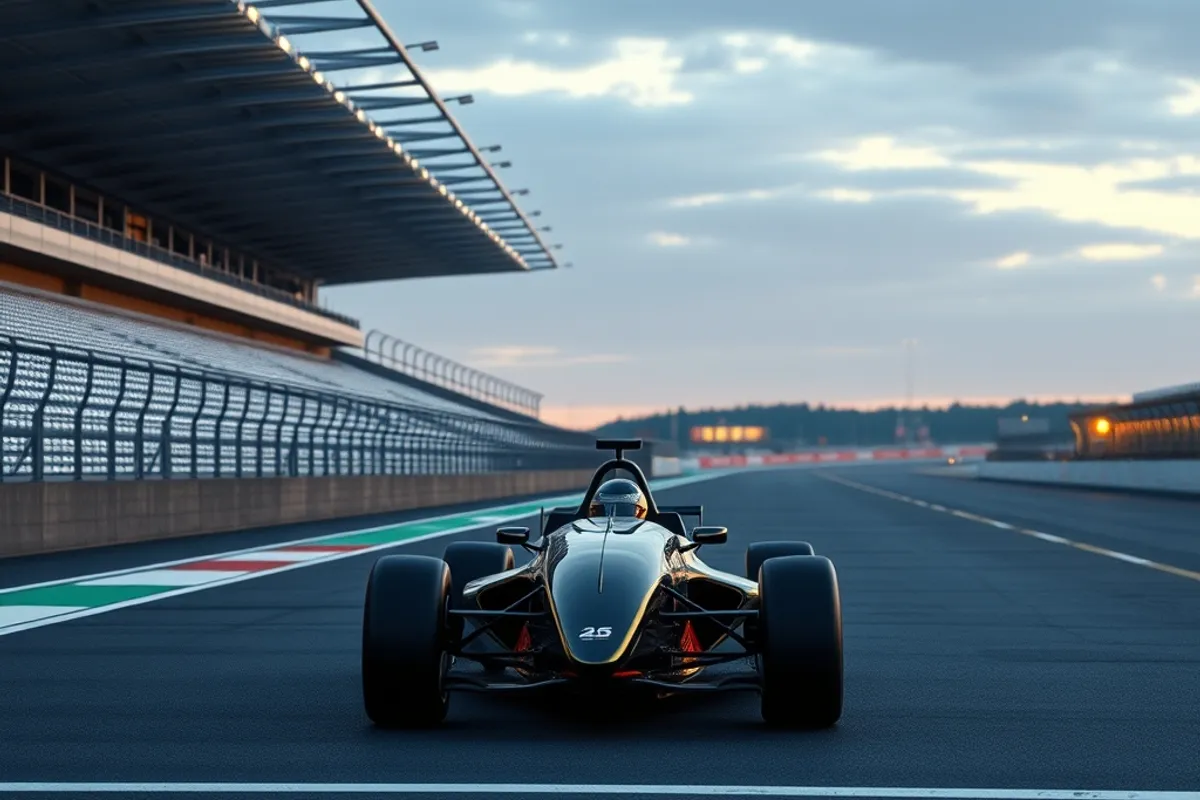
Motor Racing
How a Race Weekend Actually Works
From first practice to the chequered flag, a race weekend is a sequence of measured compromises. Here is what each session decides and why the fastest car does not always win.
Motor racing looks simple from the grandstand: cars go fast, one crosses the line first. Up close it is a sequence of engineering and human decisions, most of them made before the lights go out. Our Motor Racing section explains those decisions without assuming you already speak the language.
We cover the format of a race weekend, the physics that keeps a car planted, and the strategy that turns a quick car into a result. The aim is to make the broadcast legible, not to replace it.
A modern weekend is built around practice, qualifying and the race, but the work starts days earlier with setup models and tire allocation. Practice is where teams test cooling, ride height and gear ratios against real track temperatures rather than simulation data.
Qualifying decides grid position, and on most circuits that matters more than raw race pace because overtaking is limited by aerodynamics. The race itself is a series of compromises between tire life, fuel load, track position and the risk of a safety car.
Downforce is the vertical load created by air moving over the car. It increases grip in corners but also adds drag, which costs top speed and fuel. Every wing angle is a negotiation between those two effects.
Following another car is hard because the leading car leaves turbulent air behind it. That wake reduces downforce and cooling for the car behind, which is why overtaking is easier in some corners than others and why race directors monitor dirty air closely.
The pit wall is a rolling calculation: tire degradation, gap to rivals, pit loss, weather radar and the probability of a safety car. A stop that looks early from the sofa may be the only way to avoid traffic later.
Undercutting, overcutting and tyre offsets are tools, not magic. The best strategists are the ones who adapt when the model is wrong, which is most of the time. A flexible plan beats a perfect prediction.
Start with one thing per race: tyre wear, pit timing or the battle in one corner. Watching everything at once is how new fans lose the thread. The timing screen is more informative than the commentary once you know what the columns mean.
For technical definitions, the FIA Formula One regulations are the primary source. They are dense, but they settle arguments that forums never will.
From first practice to the chequered flag, a race weekend is a sequence of measured compromises. Here is what each session decides and why the fastest car does not always win.
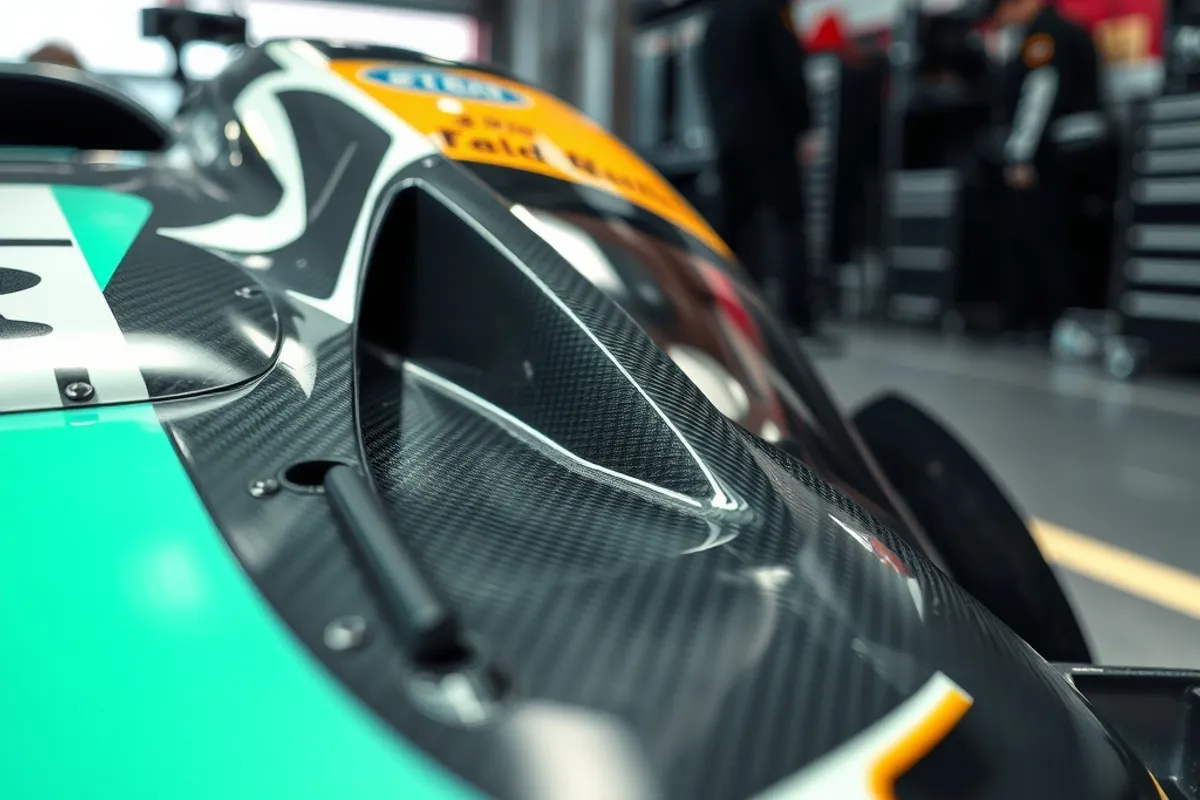
Downforce is not free grip. It is a trade between cornering load, drag and the air the car leaves behind. Here is how the trade works in 2026.