Motor Racing
Race Car Aerodynamics Explained: Downforce Without the Hype
Downforce is not free grip. It is a trade between cornering load, drag and the air the car leaves behind. Here is how the trade works in 2026.
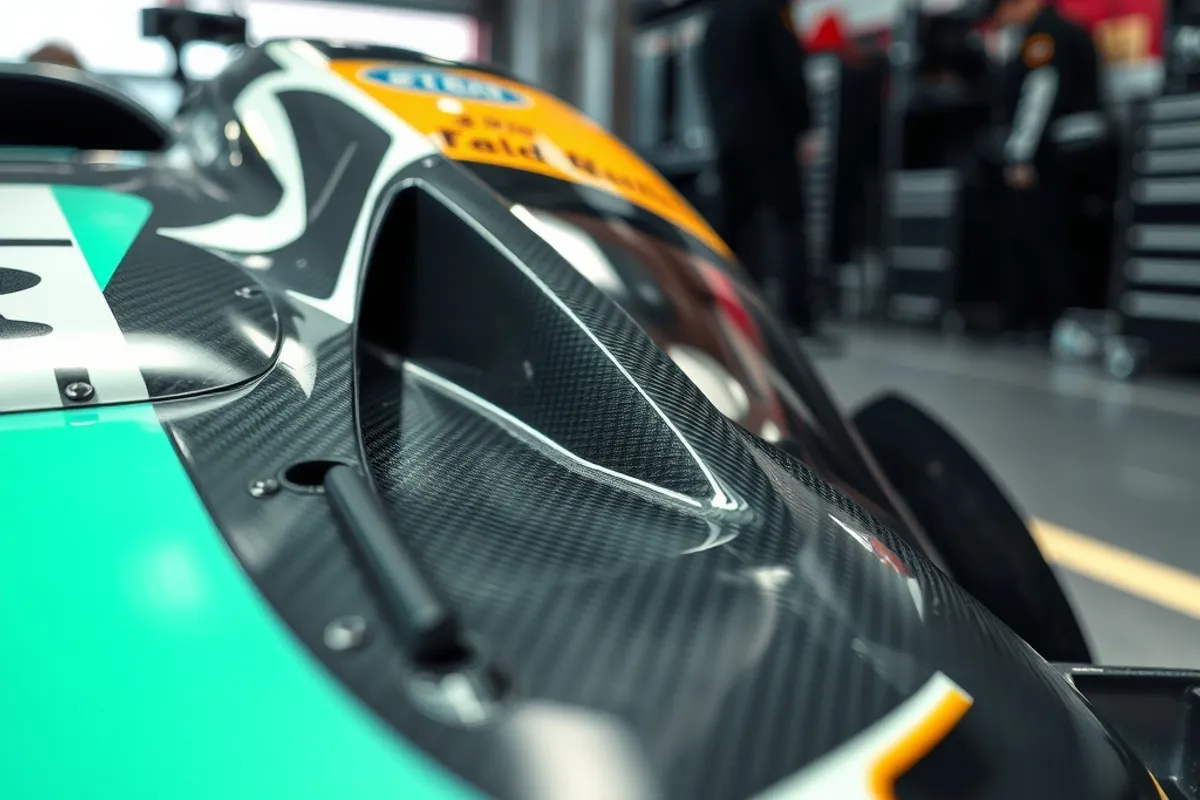
A modern race car is a wing on wheels. The front wing, floor, diffuser and rear wing work together to push the car into the track, which lets it corner faster than physics would otherwise allow. The headline number is downforce, but the useful number is balance.
Downforce rises with the square of speed, so it is almost irrelevant in the pit lane and dominant in a fast corner. That is why a car can feel stable at 180 km/h and nervous at 280 km/h when the aero platform moves. Ride height, stiffness and wing angle all change the shape of the airflow.
Downforce is a trade, not a free win
Every wing that creates downforce also creates drag. The team chooses a package for each circuit: more wing for a track with slow corners, less wing for a circuit with long straights. A low-drag setup can be quicker over a lap even if it is slower in every corner.
The floor is the other half of the story. Ground effect accelerates air under the car and lowers pressure, which pulls the car down without the drag penalty of a huge wing. That is why modern regulations focus so heavily on the underbody and why a damaged floor can cost more lap time than a damaged wing.

Why following another car is hard
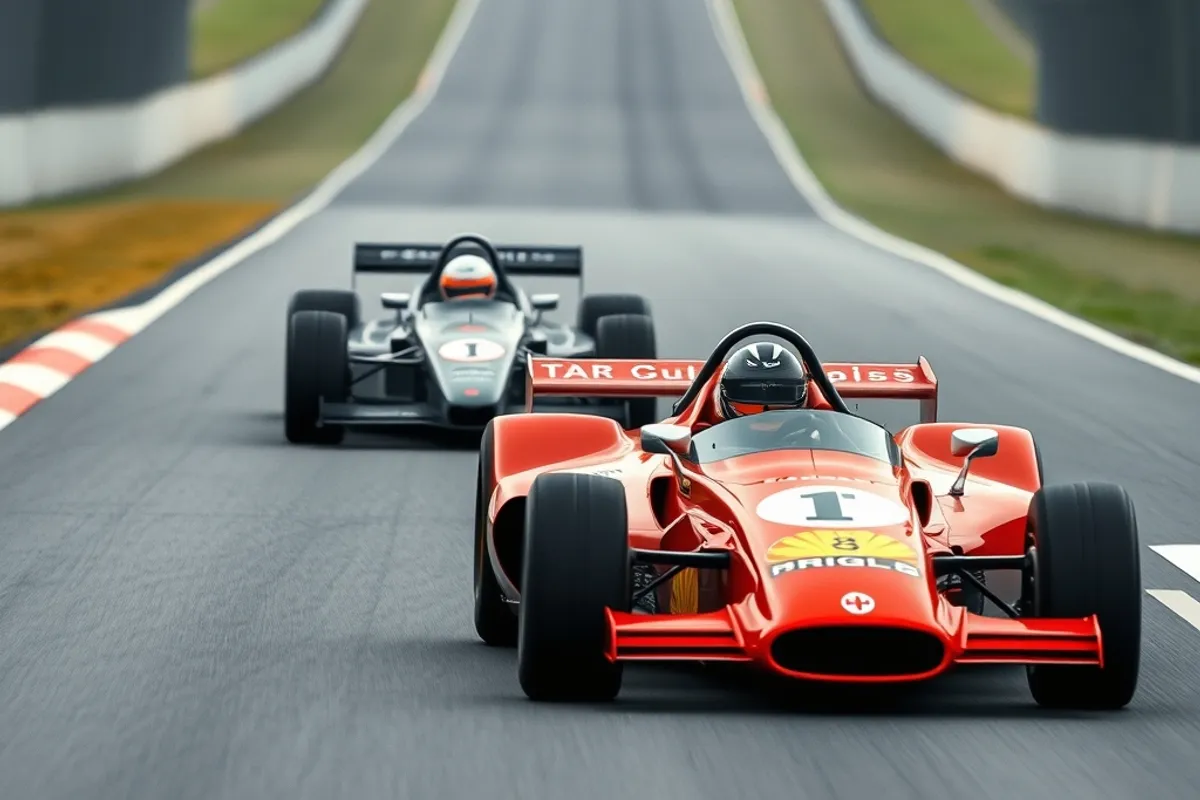
A car moving through air leaves a wake: slower, turbulent air with less total pressure. A following car gets less downforce, less cooling and a less predictable platform. The effect is strongest close behind, which is why overtaking is easier with a run from several car lengths back than from directly behind.
Regulations try to reduce that wake, but they cannot remove it. Slipstreaming still works on straights because lower drag helps the following car, while the corners punish it. The result is a zone where a driver can close but not always pass, and that shapes the whole race.
What the numbers actually mean
A wind tunnel reports forces in Newtons and a balance percentage front to rear. A simulation reports lap time. Neither is the whole truth, because tires, ride height and driver confidence interact. A car with slightly less downforce but a stable balance is often faster over a stint.
The practical lesson for a fan is to watch the car through a corner, not just the speed trap. If the front is reluctant to turn, the balance is off. If the rear steps out on entry, the driver is managing a platform that has moved. Those are aero problems, and they are visible once you know where to look.
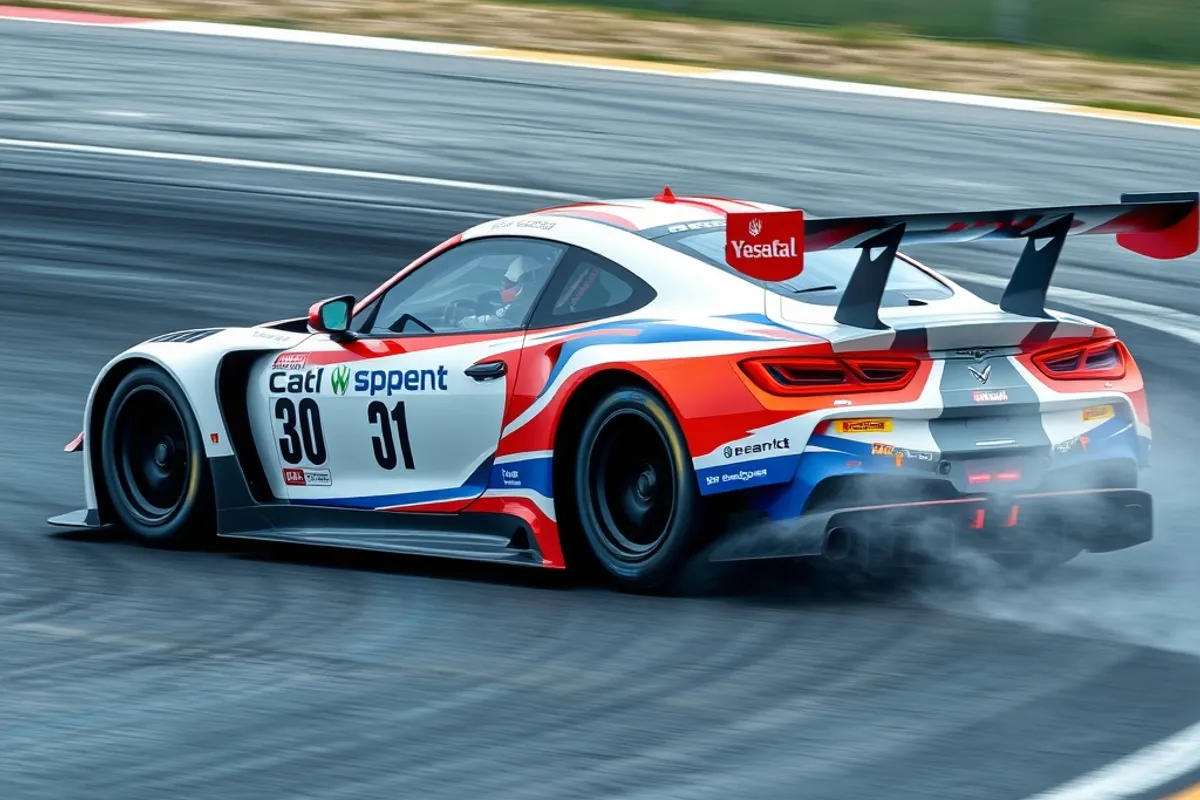
Aerodynamics is also a safety subject. A sudden loss of downforce, a broken floor or a puncture at high speed changes the car in a fraction of a second. That is why teams spend millions on simulation and why the regulations restrict how far the bodywork can move.
For the underlying physics, a standard fluid dynamics text is more useful than a headline. The Wikipedia article on downforce is a reasonable starting point, provided you remember that a race car is a system, not a single wing.