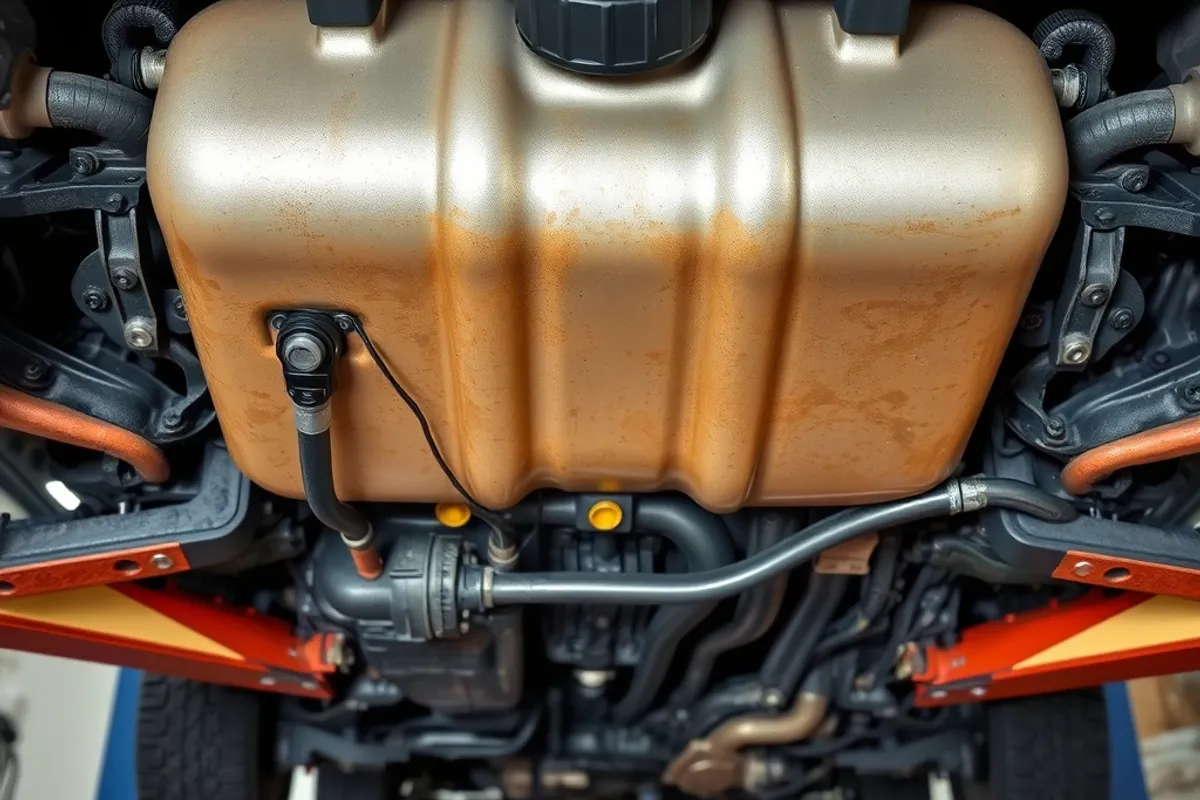
Fuel Systems
Fuel System Basics: Pump, Filter and Injector
Fuel has to be stored, filtered, pressurized and metered before it burns. Here is how the main parts work and which failures cause the most expensive damage.
A fuel system has one job: deliver the right amount of fuel, at the right pressure, at the right moment. When it works, nobody notices. When it does not, the symptoms range from a rough idle to a no-start and a bill measured in four figures.
Our Fuel Systems section follows the fuel from the tank to the combustion chamber. We explain the parts that fail, the symptoms that point to them, and the maintenance that actually prevents trouble.
Fuel leaves the tank through a pickup, passes a filter and reaches either a low-pressure pump or a high-pressure pump, depending on the injection system. A regulator holds the pressure, and the injectors meter fuel into the intake or directly into the cylinder.
Every stage adds a failure point. A clogged filter strains the pump. A weak pump drops pressure under load. A leaking injector fouls a plug and washes oil from a cylinder wall. The symptoms often appear far from the cause.
Port injection sprays fuel into the intake port, where it mixes with air and washes the back of the intake valve. Direct injection sprays fuel into the cylinder at high pressure, which improves efficiency and control but leaves the intake valve dry.
That dry valve is why direct-injection engines can build carbon on the intake side. It is a design consequence, not a defect, but it changes the maintenance schedule and the cleaning method.
Modern direct-injection systems run at tens to hundreds of bar, and the pump is driven by the camshaft. Low fuel level, a tired filter or a failing pressure sensor can cause misfires that look electrical until you log the rail pressure.
Change the fuel filter at the interval in the service book, and do not run the tank to empty as a habit. The pump uses fuel to cool itself, and the last litre is where the dirt lives.
Hard starts, a long crank, hesitation under load, a strong fuel smell or a check-engine light with a lean code all point to the fuel system. Diagnose with pressure and trim data before replacing parts; guessing is how a cheap sensor becomes an expensive pump.
For a plain-language overview of injection types, the Wikipedia article on fuel injection is a reasonable primer. It will not diagnose your car, but it helps you ask better questions.
Fuel has to be stored, filtered, pressurized and metered before it burns. Here is how the main parts work and which failures cause the most expensive damage.
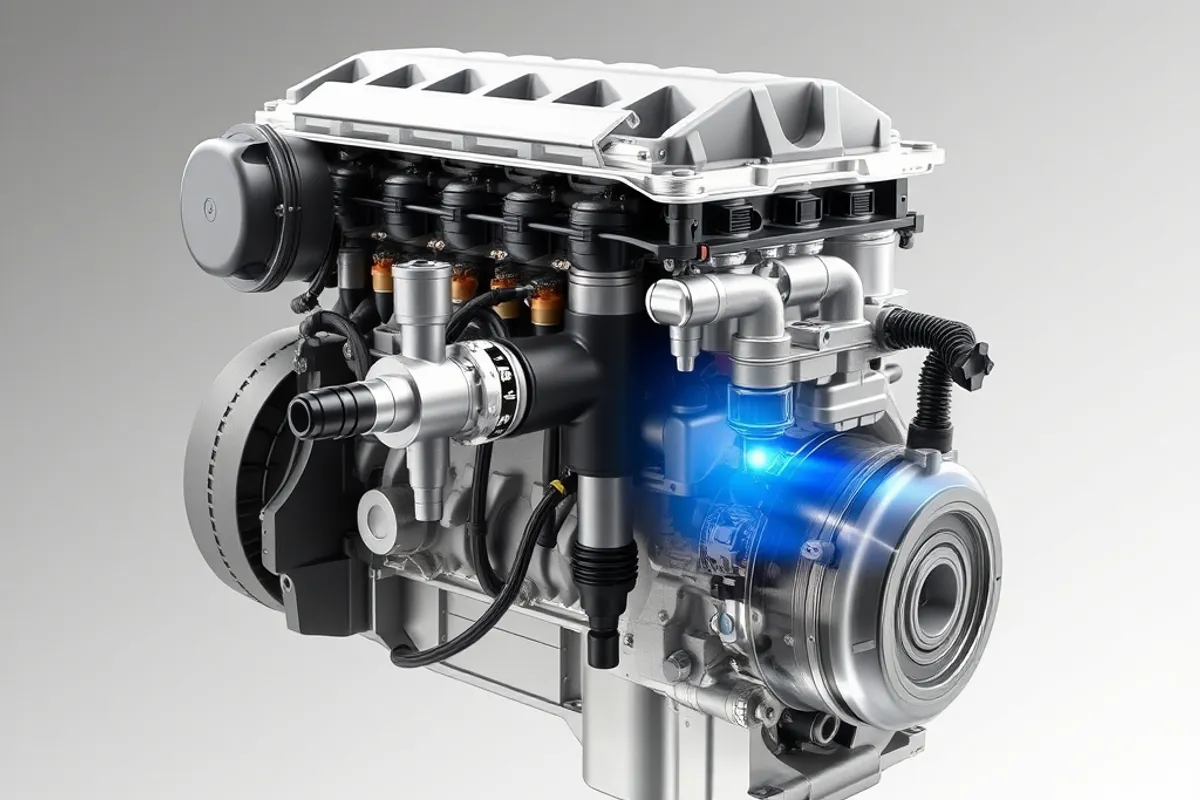
Direct injection improves efficiency but can leave carbon on the intake valves. Here is why it happens, what the symptoms are and which cleaning method actually works.