Fuel Systems
Fuel System Basics: Pump, Filter and Injector
Fuel has to be stored, filtered, pressurized and metered before it burns. Here is how the main parts work and which failures cause the most expensive damage.
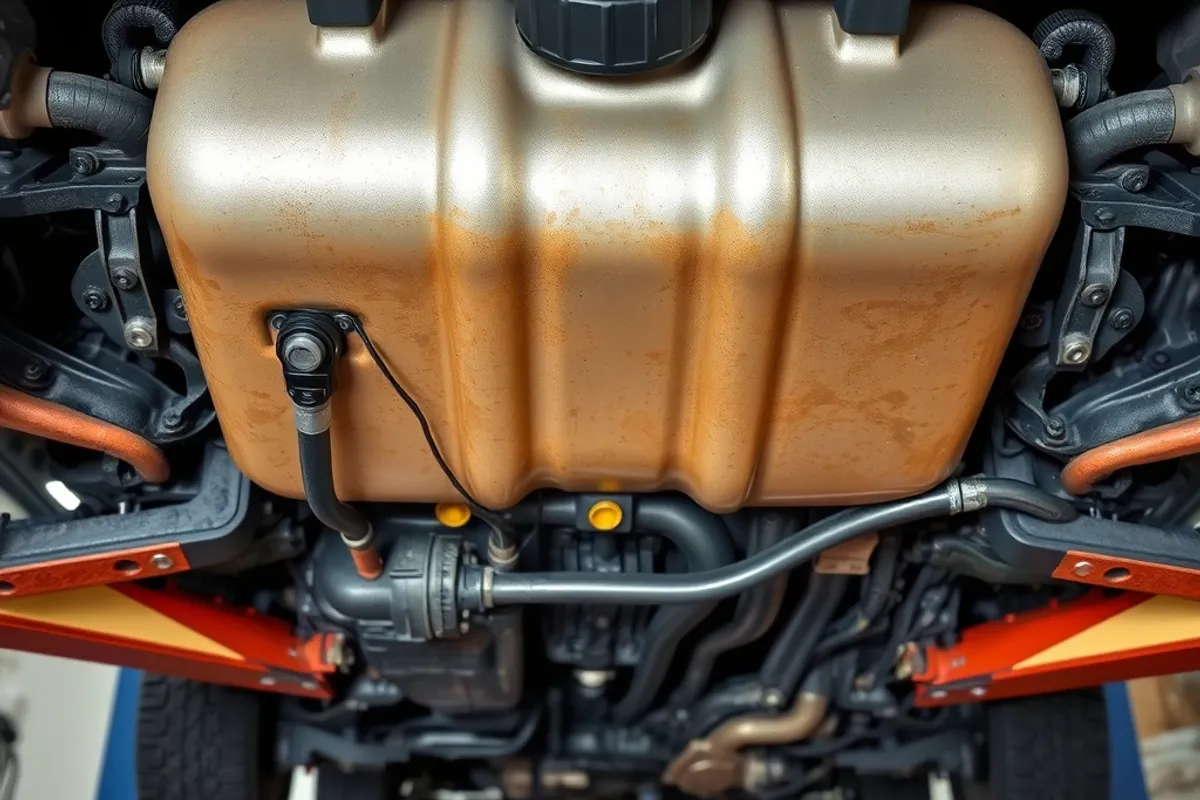
A fuel system is a delivery chain, not a single part. Fuel leaves the tank, passes a filter, gets pressurized and is sprayed into the engine at a precise moment. Each link depends on the one before it, and a fault at the back of the chain often shows up at the front.
Modern cars use either port injection, direct injection or a combination of both. The layout changes the pressures and the maintenance, but the basic job is the same: deliver the right mass of fuel for the air entering the engine.
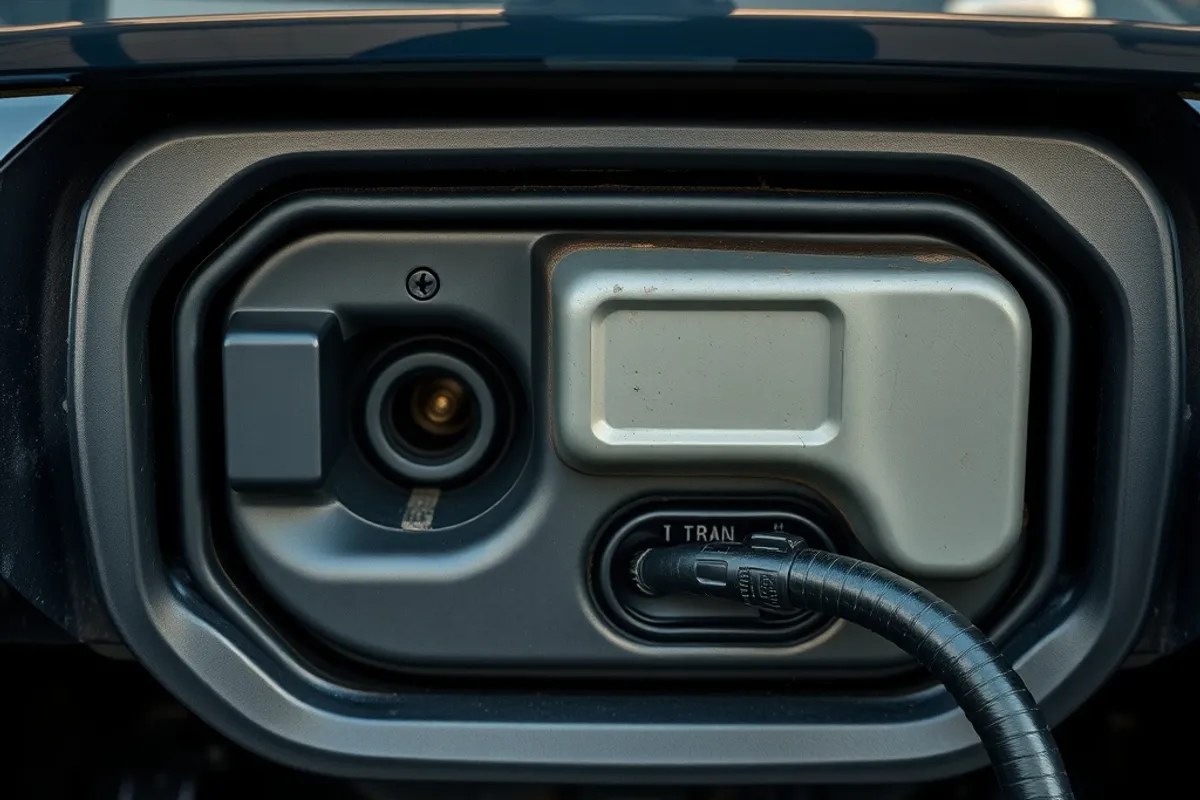
From tank to rail
The low-pressure pump, usually inside the tank, pushes fuel toward the engine. On a port-injection car it may deliver fuel at a few bar. On a direct-injection car, a mechanical high-pressure pump driven by the camshaft raises pressure to a much higher level before the fuel reaches the rail.
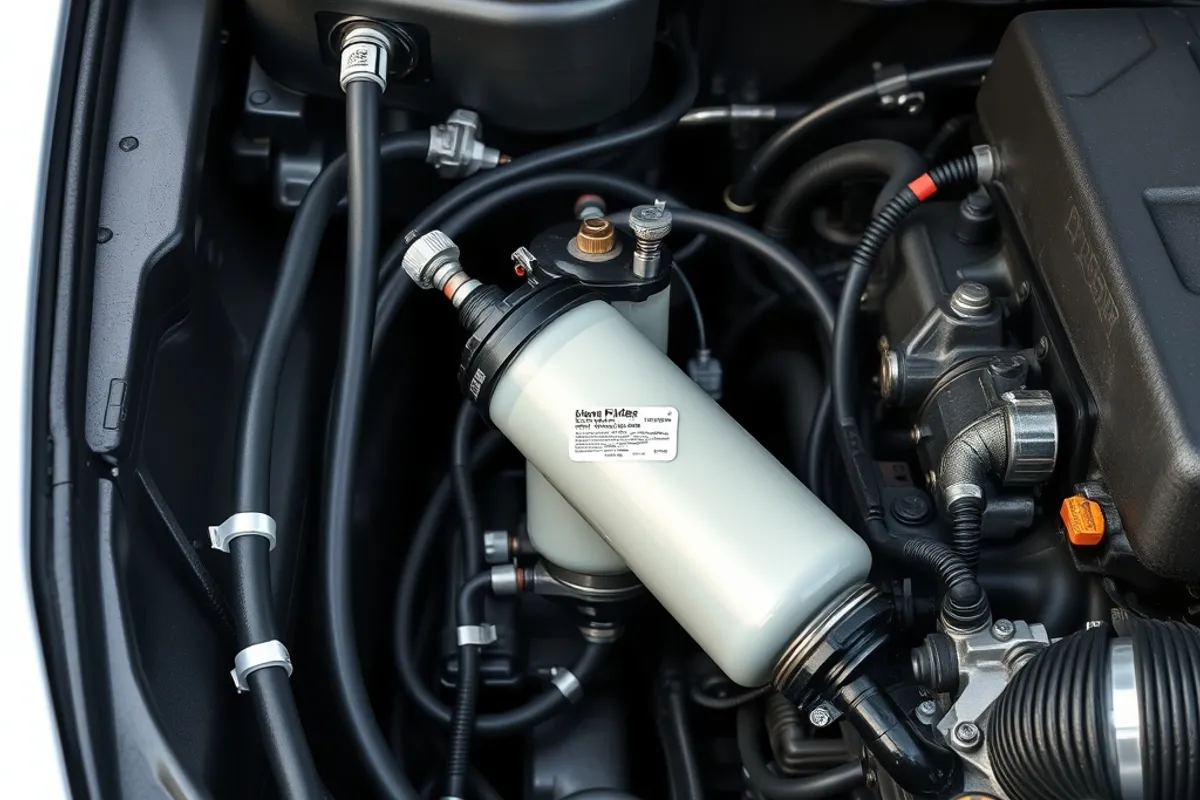
The filter traps rust, dirt and debris. Over time it restricts flow, which forces the pump to work harder and can cause lean running under load. A restricted filter is one of the few fuel-system parts that is cheap to replace and expensive to ignore.
Pressure and flow
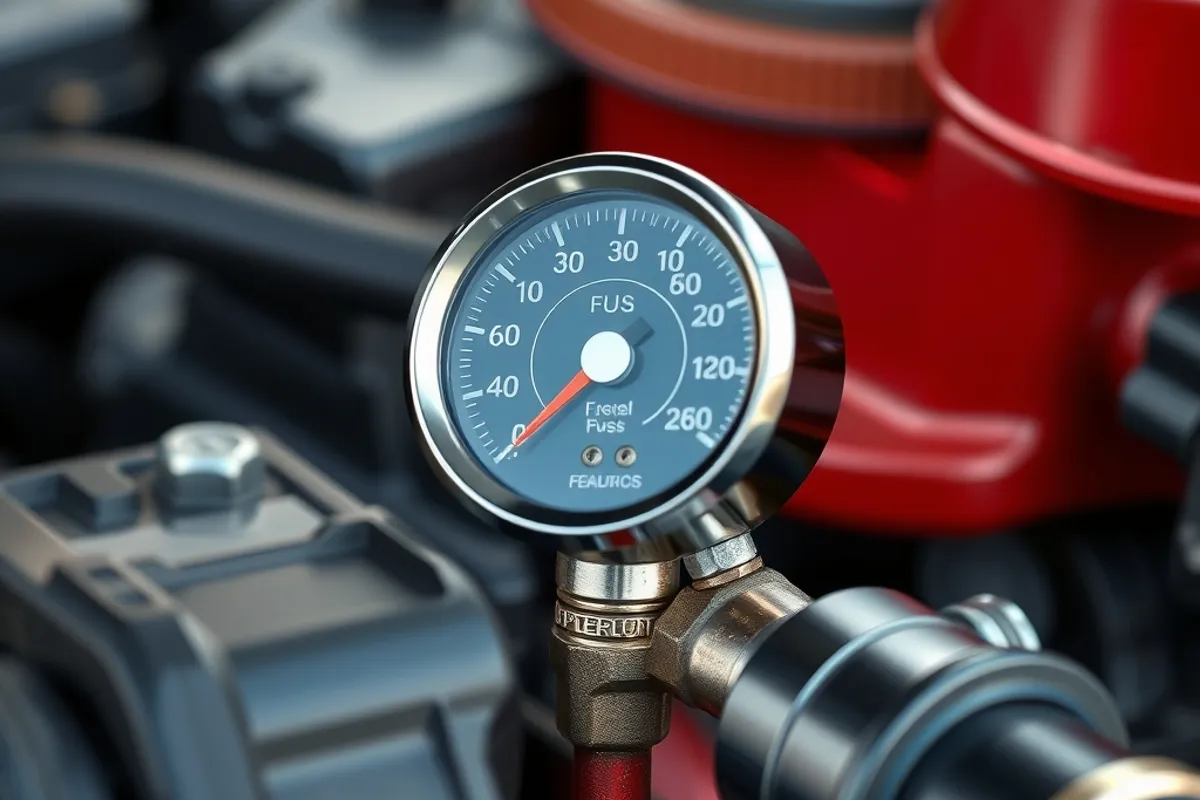
Fuel pressure is not constant. It changes with load, temperature and the control strategy. A regulator or a pressure sensor tells the engine computer what is happening, and the computer adjusts injector opening time to keep the air-fuel ratio correct.
When pressure drops, the injector has to stay open longer to deliver the same fuel. If the correction reaches its limit, the engine runs lean, misfires or loses power. That is why a weak pump can feel like an ignition fault until you measure pressure under load.
Injectors and deposits
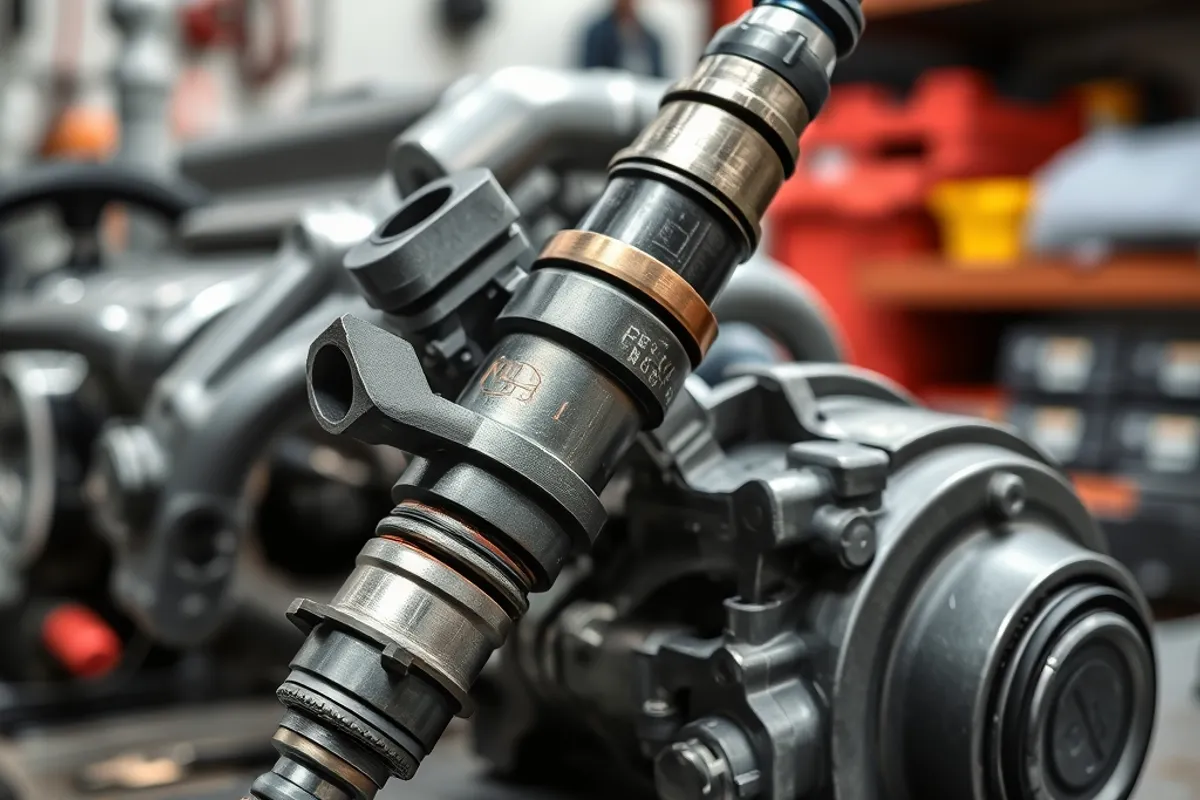
An injector is a small valve with a nozzle. It opens for a few milliseconds and sprays fuel in a pattern designed to mix with air. Deposits around the nozzle disturb that pattern, which causes rough idle, hesitation and higher fuel consumption.
Short trips and low-quality fuel make deposits more likely. A quality detergent additive can help prevent them, but it is not a cure for a badly clogged injector. Professional cleaning or replacement is the reliable fix once the spray pattern is compromised.
The most common owner mistakes are running the tank to empty, skipping the fuel filter and ignoring a long crank. None of them causes an immediate failure, which is why they are easy to postpone until the pump fails.
For a plain-language overview of injection systems, the Wikipedia article on fuel injection is a useful starting point. Use it to understand the parts, then let a workshop with pressure data make the diagnosis.