Fuel Systems
Direct Injection Carbon: Why It Builds Up and How to Clean It
Direct injection improves efficiency but can leave carbon on the intake valves. Here is why it happens, what the symptoms are and which cleaning method actually works.
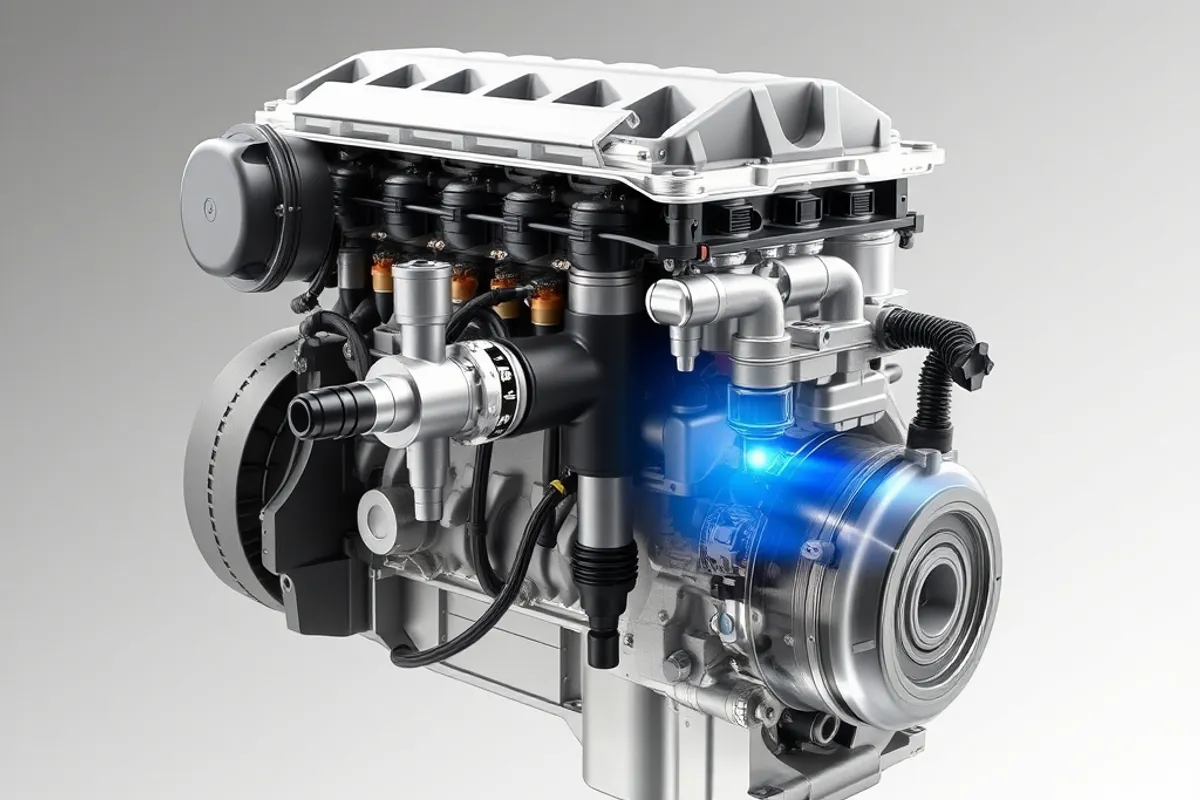
Direct injection is one of the main reasons modern engines make more power from less fuel. By spraying fuel directly into the cylinder at high pressure, the engine can control the mixture more precisely and avoid some pumping losses. The trade-off is carbon on the intake valves.
In a port-injection engine, fuel sprays into the intake port and washes over the back of the intake valve. Detergents in the fuel keep that surface relatively clean. In a direct-injection engine, the valve only sees air and crankcase vapors, so deposits can bake onto it.
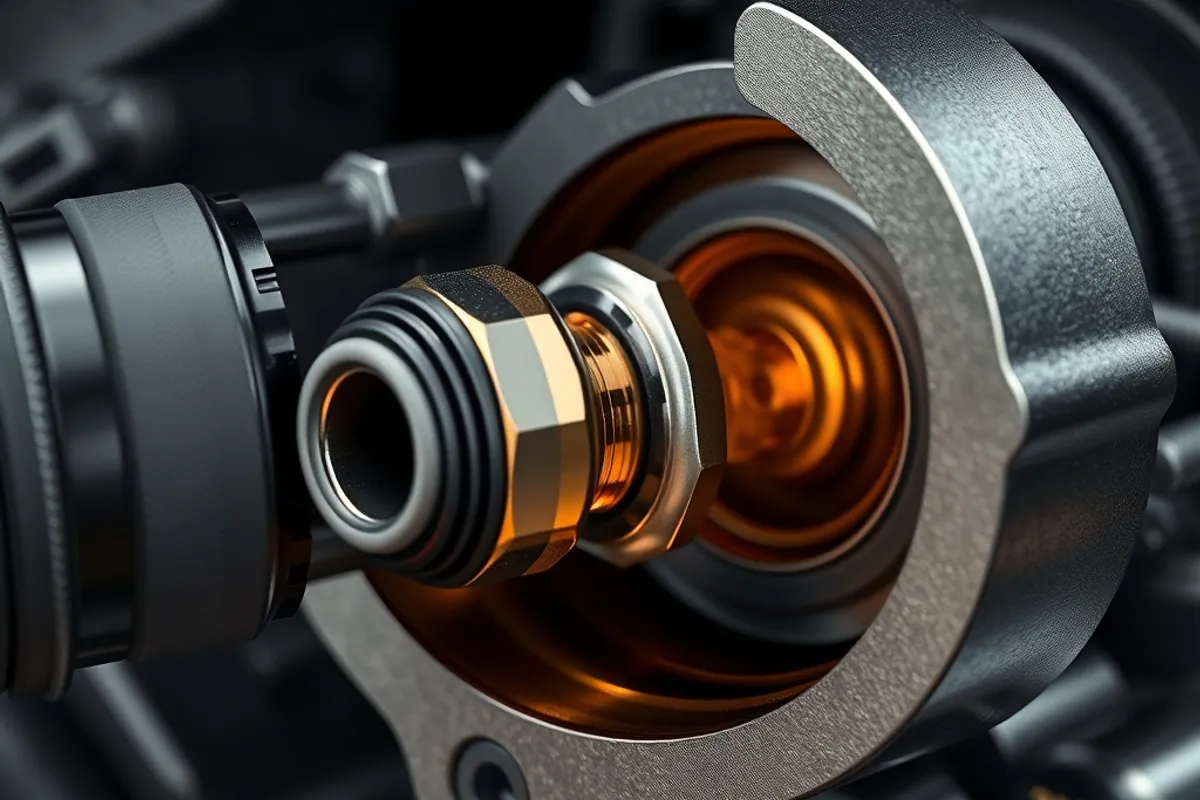
Why carbon forms
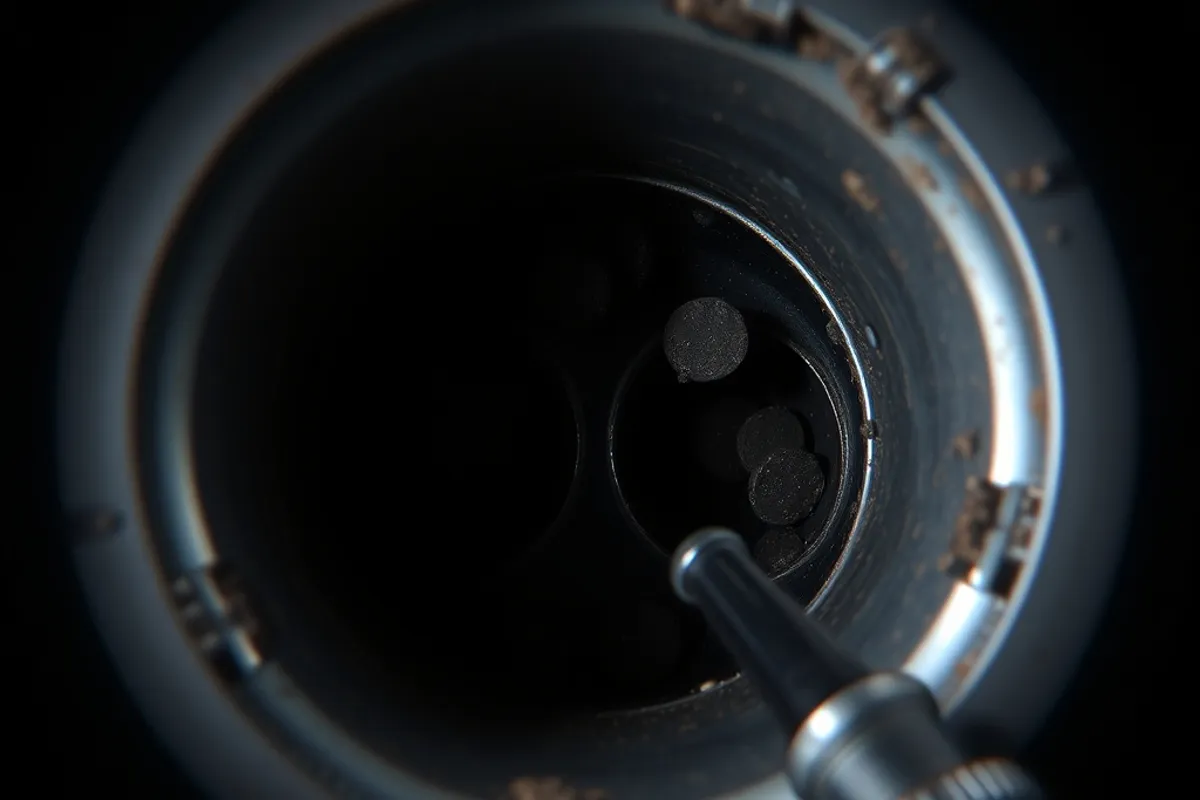
The deposits are a mix of oil vapor, combustion byproducts and fine particles from the crankcase ventilation system. They stick to the hot valve and gradually form a hard, uneven layer. Short trips and low engine temperatures make it worse because the engine does not get hot enough to burn off light deposits.
The result is a restriction in the intake path. At low speed the engine may idle roughly or misfire. At high speed the restriction can reduce power and efficiency. In severe cases, a piece of carbon can break off and damage a valve or a cylinder wall.
Prevention versus removal
Fuel additives can help keep the injector and combustion chamber cleaner, but they do not reach the back of the intake valve on a direct-injection engine. That is the key limitation. A bottle in the tank is prevention, not a cure.
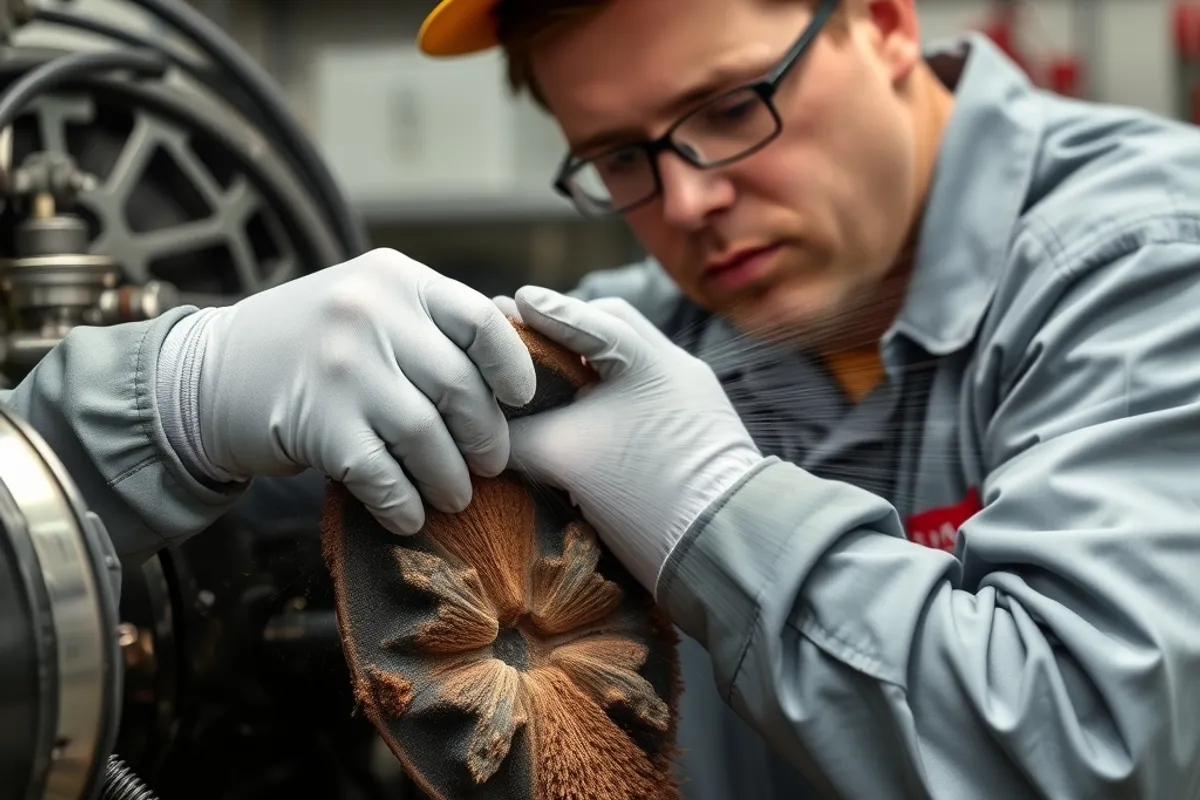
For light deposits, a professional intake cleaning service that introduces a chemical through the intake may help. For heavier buildup, the reliable method is mechanical: walnut shell blasting. The intake is removed, the valves are closed, and soft walnut media is blasted to lift the carbon without damaging the metal.
When to act
Not every direct-injection engine needs cleaning at the same mileage. Driving style, oil quality, PCV design and fuel quality all matter. A borescope inspection is the only way to know how much carbon is actually present before you pay for a service.
If the car idles smoothly, starts easily and returns normal fuel economy, there may be nothing to fix. If you notice a rough cold idle, a stumble under light throttle or a check-engine light with a misfire code, get the intake inspected. Cleaning is cheaper than ignoring a misfire that damages a catalytic converter.
Use the oil specification in the manual and change it on time. A good oil reduces vapor that forms deposits. Avoid repeated short trips when you can, and give the engine a proper warm-up on longer runs. None of this guarantees a clean valve, but it slows the buildup.
For background on the two injection layouts, the Wikipedia article on fuel injection covers the basics. The engineering is settled; the maintenance is what owners actually have to manage.