Motor Racing
How a Race Weekend Actually Works
From first practice to the chequered flag, a race weekend is a sequence of measured compromises. Here is what each session decides and why the fastest car does not always win.
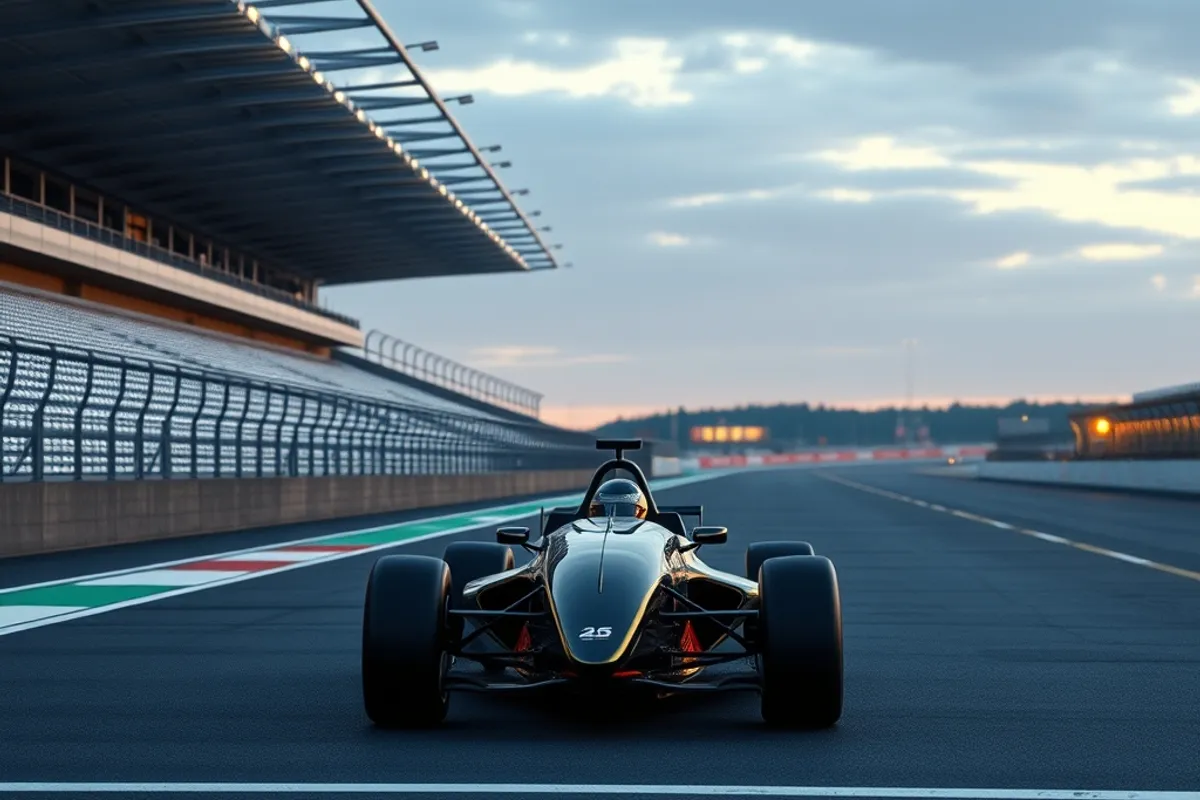
A race weekend looks straightforward from the grandstand: cars go out, one is fastest, the race starts and somebody wins. The reality is a tightly scheduled series of tests, each one feeding the next. Teams arrive with a setup model, then spend three sessions discovering how wrong it was.
The order is fixed. Practice, qualifying, race. What changes is the track: rubber goes down, temperature moves, wind shifts and the fuel load drops. A car that is quick in first practice can be ordinary by Sunday because the conditions it was tuned for have gone.
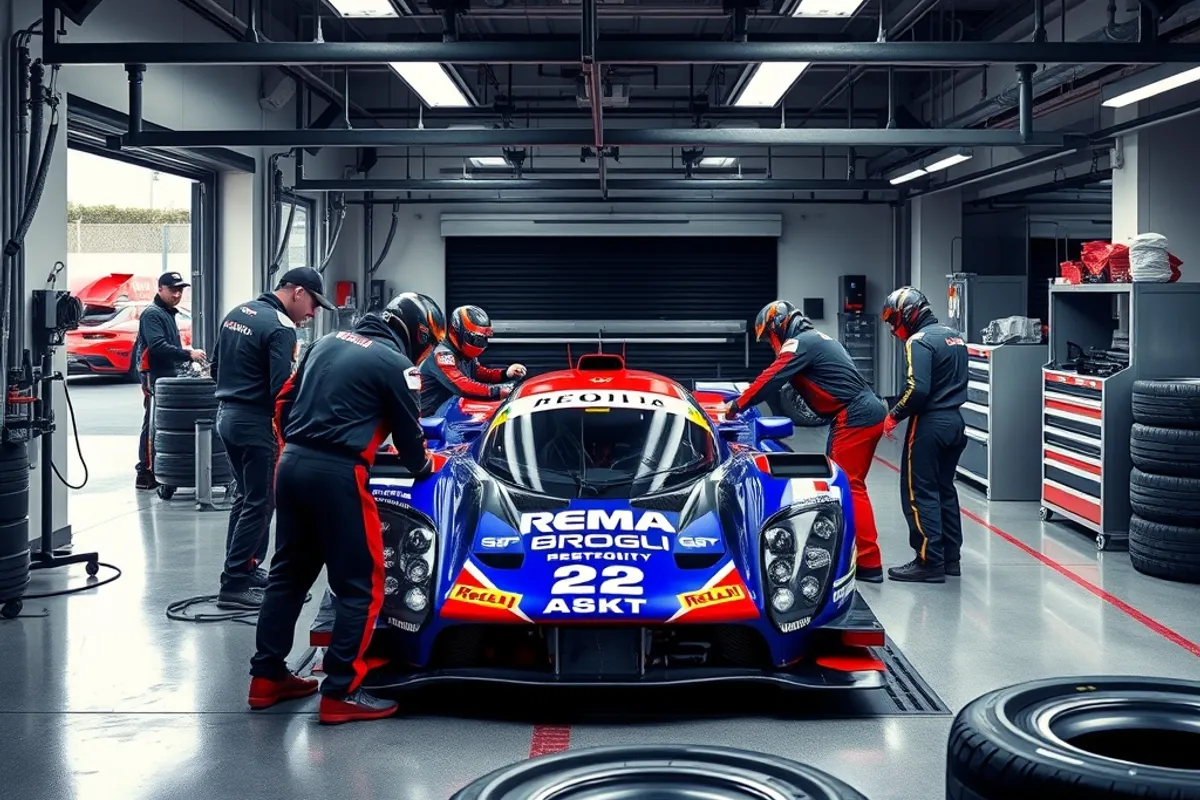
Practice is not just practice
The first session is usually about systems checks: cooling, brake temperatures, gear ratios and a baseline on the hardest tire. Teams run different fuel loads and wing settings to collect data rather than chase a headline time. A slow car in first practice may simply be carrying more fuel.
By the third session the work shifts to qualifying trim. Engineers shorten the run, soften the setup and look for the single lap that will start the race in a useful position. The long-run data gathered earlier is what tells them how the tire will behave on Sunday.
Qualifying sets the shape of the race
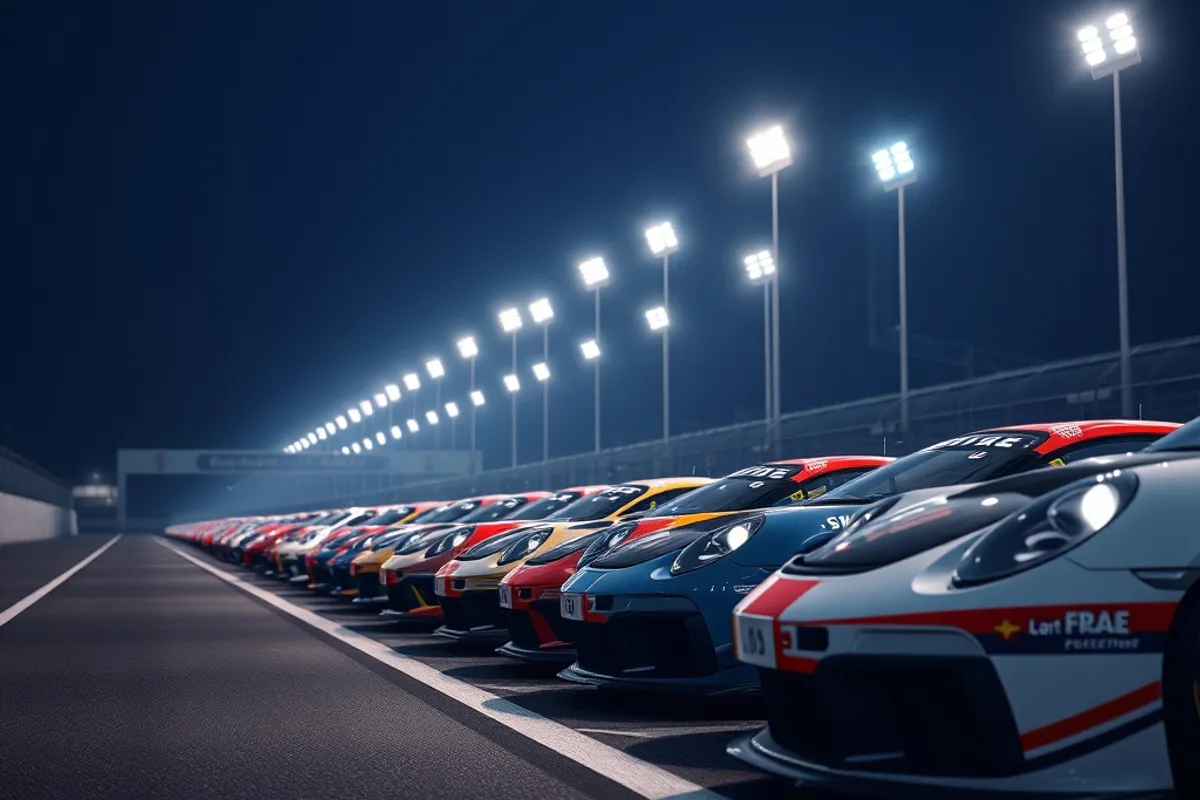
Qualifying is a sequence of short attempts, and track position is the prize. On a circuit with long straights and wide corners, starting fifth is survivable. On a narrow street circuit, starting fifth can mean spending the afternoon stuck behind a slower car with no clean air.
Drivers manage more than speed. They need a clear gap for the out-lap, tires at the right temperature and a clean first sector. A mistake in one corner can cost two tenths; traffic in another can cost the whole lap. The best qualifiers are often the ones who manage the queue as well as the car.
The race is a sequence of compromises
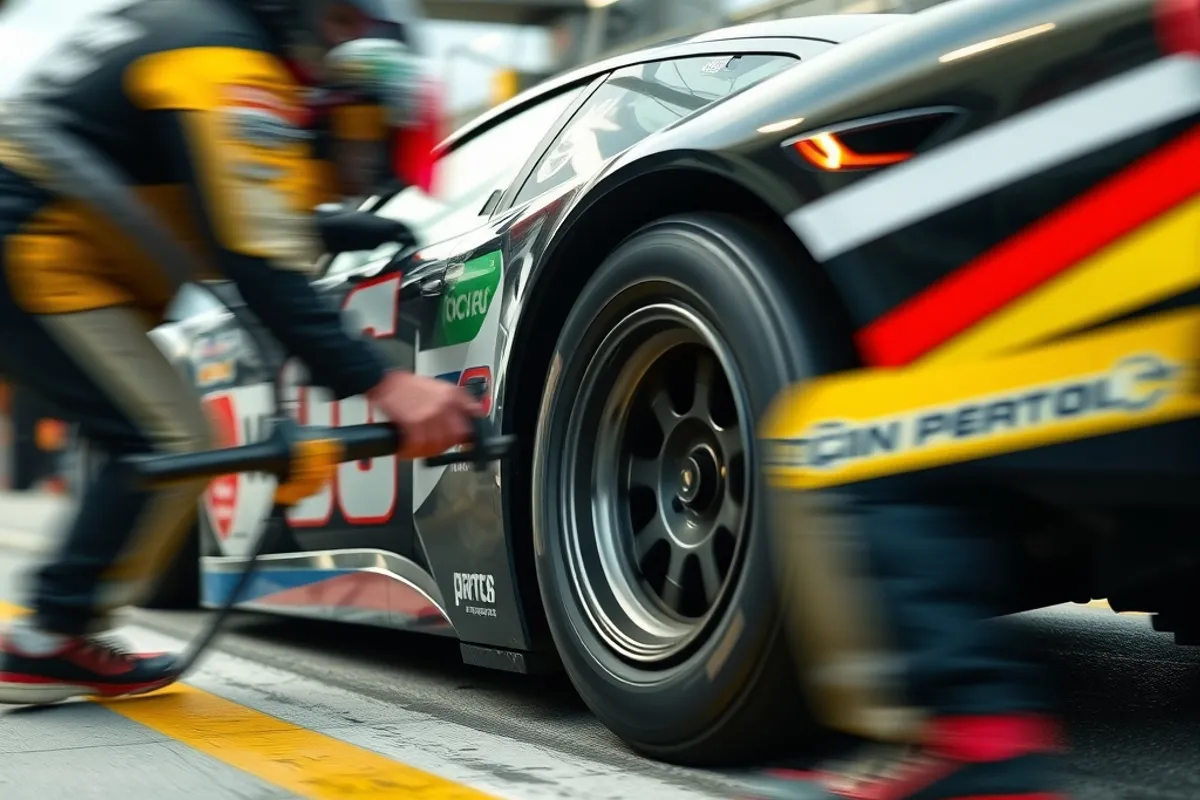
Once the lights go out, the car is a moving budget. Tire life, fuel, brake temperature and engine modes all have limits, and every lap spends some of each. A driver pushing for an overtake uses tire life that may be needed later; a driver saving fuel may lose the gap that protected the strategy.
The pit wall recalculates constantly. An early stop can avoid traffic, but it may leave the car exposed to a safety car at the wrong moment. A late stop keeps track position, but it gives up the chance to use fresh tires against rivals on old ones. There is no universally correct call, only the best one for the next ten laps.
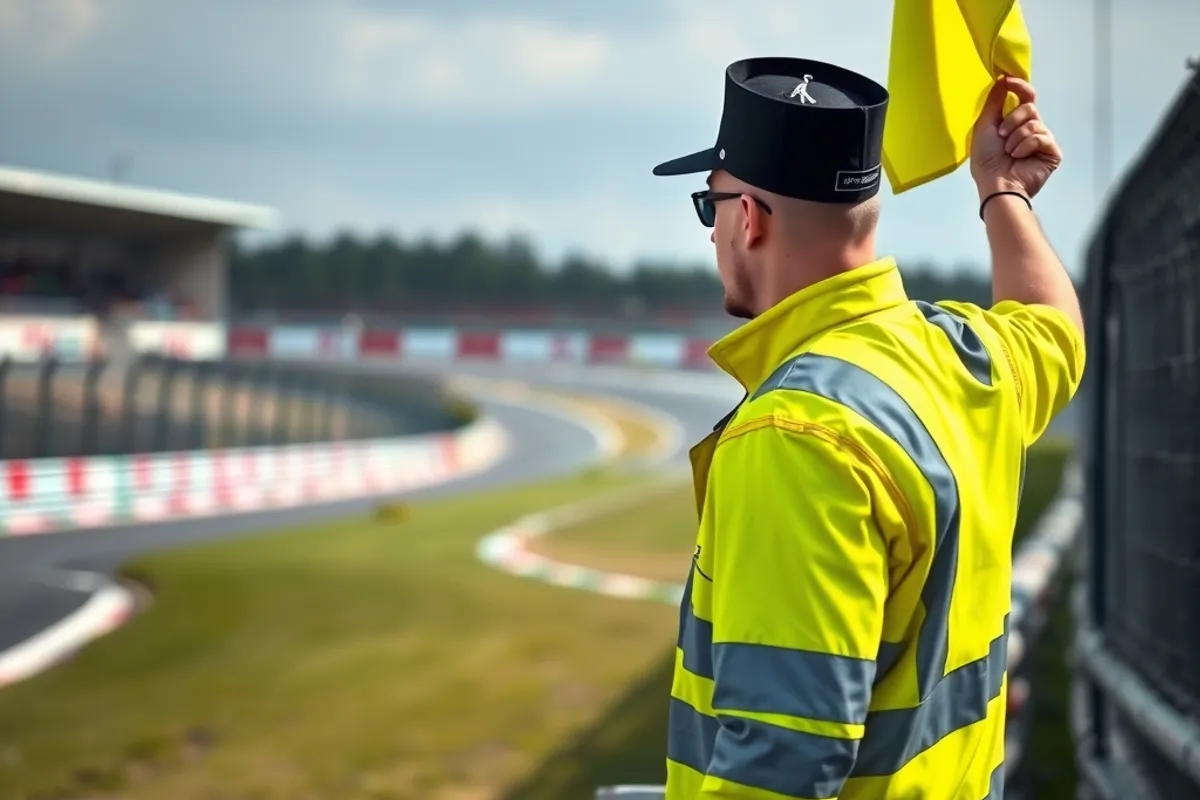
The final layer is the rulebook. Track limits, unsafe releases, impeding and contact are all policed after the fact as well as during the race. A five-second penalty can undo a perfect strategy, which is why teams spend as much time on precedent as on pace.
The best way to follow a race is to pick one variable and watch it. Tire wear is usually the most revealing. Once you can see who is managing a tire and who is spending it, the pit stops stop looking random and the result starts to make sense.