Tire Technology
Tire Compounds and Construction Explained
Rubber, cords and steel belts determine grip, noise and wear. Here is what each part does and why the numbers on the sidewall matter more than the marketing.
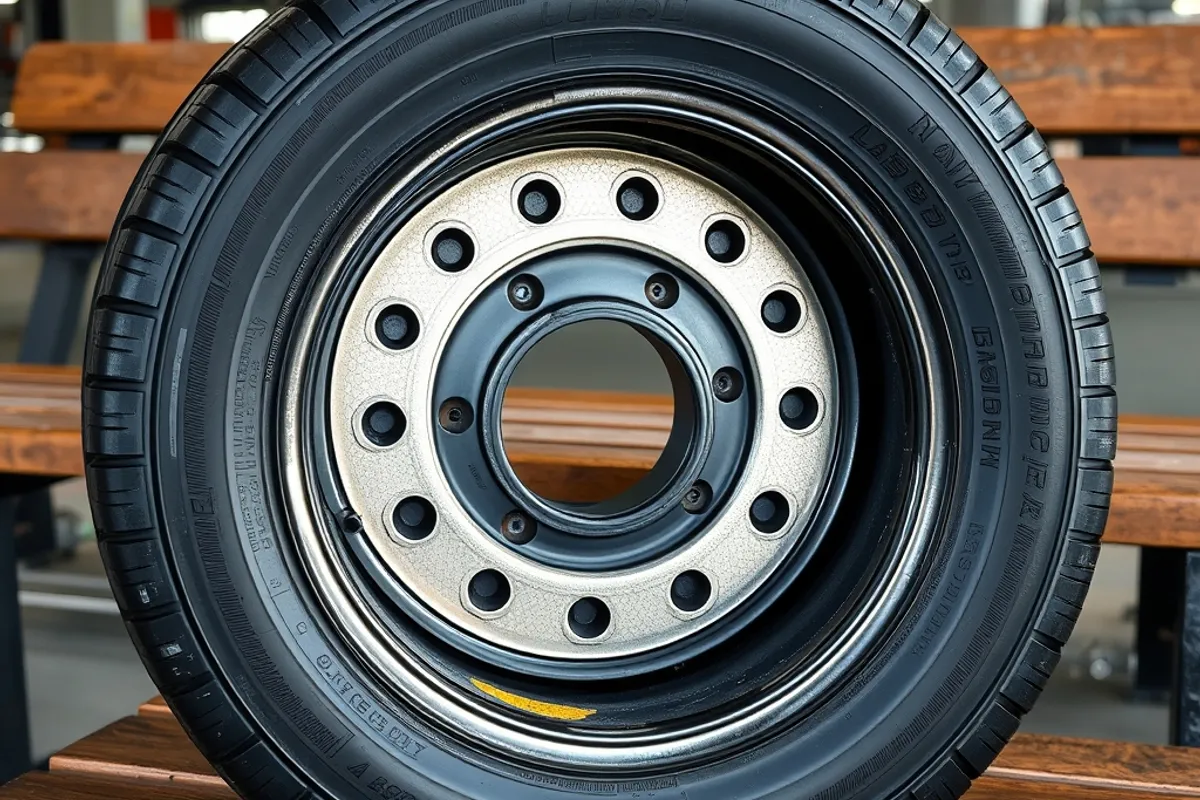
The tire is the only thing connecting the car to the road. Everything else - brakes, suspension, steering - works through four small contact patches the size of a hand each. That is why changes to tires have such a big effect, and why specifications matter.
A tire is a composite: a rubber tread, rubber casing, textile or steel cords and a bead. Each layer has a job. The tread provides grip, the belts provide stability, the sidewall provides flexibility and the bead seals to the rim.

Compounds: grip versus wear
Rubber is not a solid that always behaves the same way. As temperature rises, the compound becomes more flexible and can conform to the road better, which increases grip. If it gets too hot, it can become greasy; if it is too cold, it can become hard and slippery.
Summer tires use a compound optimized for warm, dry and wet conditions above around seven degrees Celsius. Winter tires use a softer compound with more silica and sipes that stay flexible below zero. All-season tires try to split the difference and give up peak grip in exchange for year-round use.
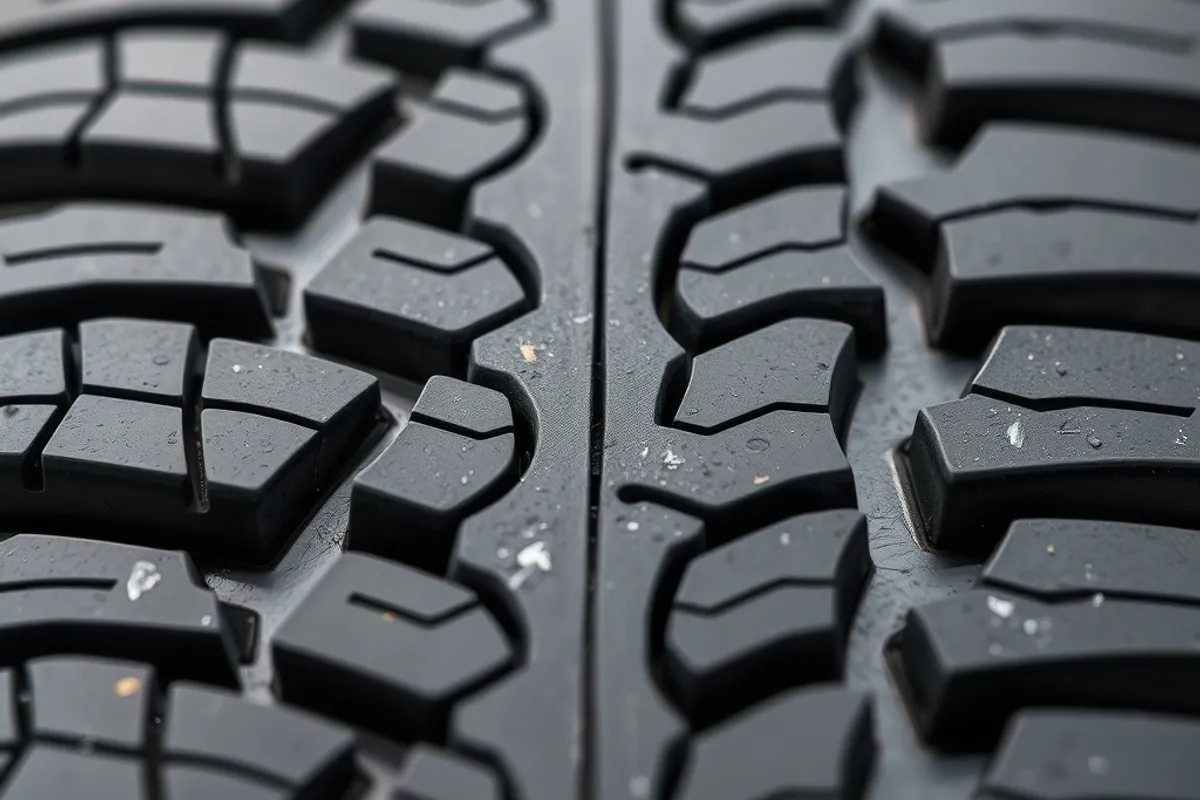
Construction: belts, cords and sidewall
Under the tread are steel belts that run around the tire. They stiffen the crown, help the tire hold its shape at speed and spread the load across the contact patch. Nylon cap plies are often added on top to limit expansion as speed increases.
The sidewall is more than cosmetic. It flexes to absorb bumps, and its stiffness affects steering response. A low-profile tire with a stiff sidewall turns in sharply, but it transmits more impact into the suspension and can be more vulnerable to pothole damage.
Reading the sidewall
The size code gives width, aspect ratio and rim diameter. The load index is a number that corresponds to the maximum load per tire, and the speed rating is a letter that corresponds to the maximum speed at that load. Both are legally required and should not be ignored.
The date code is a four-digit number: the first two are the week, the last two are the year. A tire made in week 12 of 2019 is marked 1219. Rubber ages even if stored, so many manufacturers recommend replacing tires at five to six years regardless of tread depth. Some countries recommend older tires should be checked by a specialist.
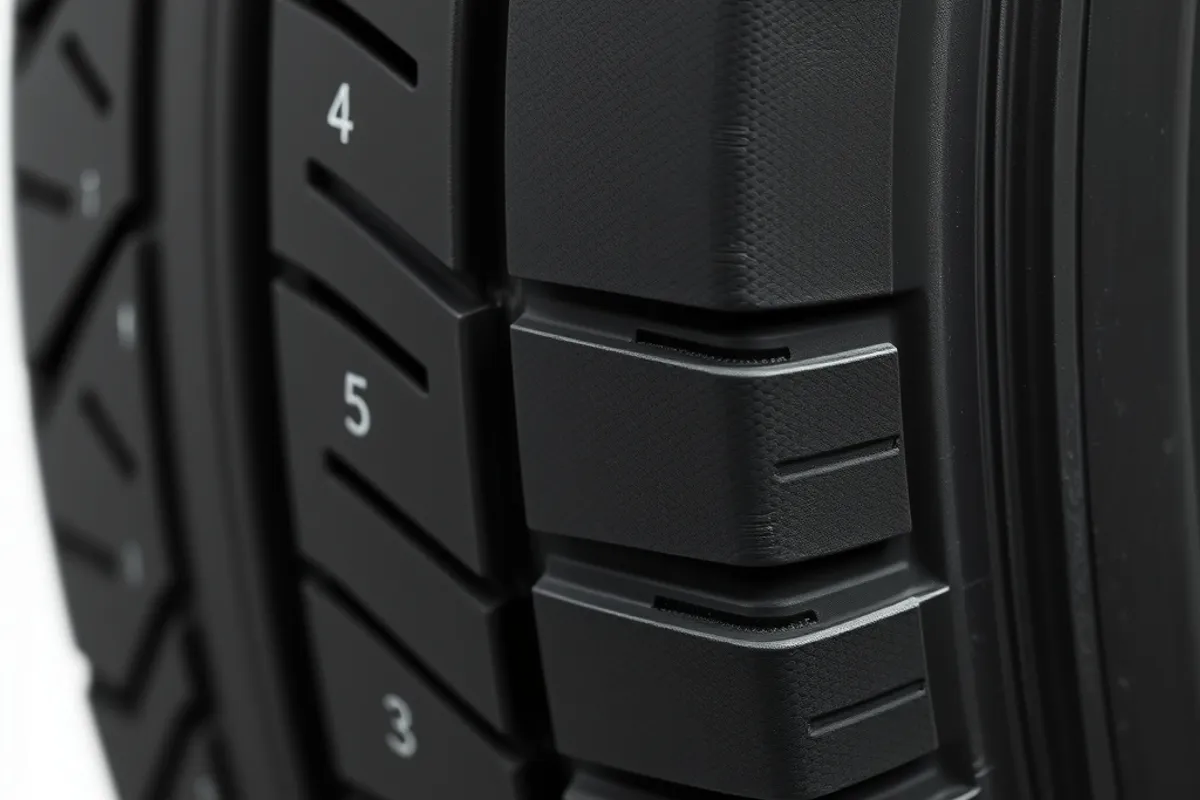
Tread depth is measured in millimetres. The legal minimum varies by country, but stopping distance increases well before the legal limit, especially in the wet. Use a simple gauge or check the wear indicators built into the tread grooves.
For plain-language guidance on ratings and care, the U.S. Tire Manufacturers Association site is a reliable starting point. Always match or exceed the manufacturer's recommended size, load and speed rating for your vehicle.