Car Detailing
Car Detailing Guide 2026: Wash, Clay and Protect in the Right Order
Most paint damage happens before the polish comes out. A safe wash, a proper decontamination and one protective layer will beat an expensive product used in the wrong order.

Detailing is often sold as a product problem: buy the right bottle and the paint will look new. In practice it is a process problem. The same shampoo used in the right order will outperform an expensive coating applied over a dirty surface.
The goal of the wash stage is simple: remove dirt without moving it across the clear coat. Every step below is designed to reduce the number of abrasive particles in contact with the paint at any one time.
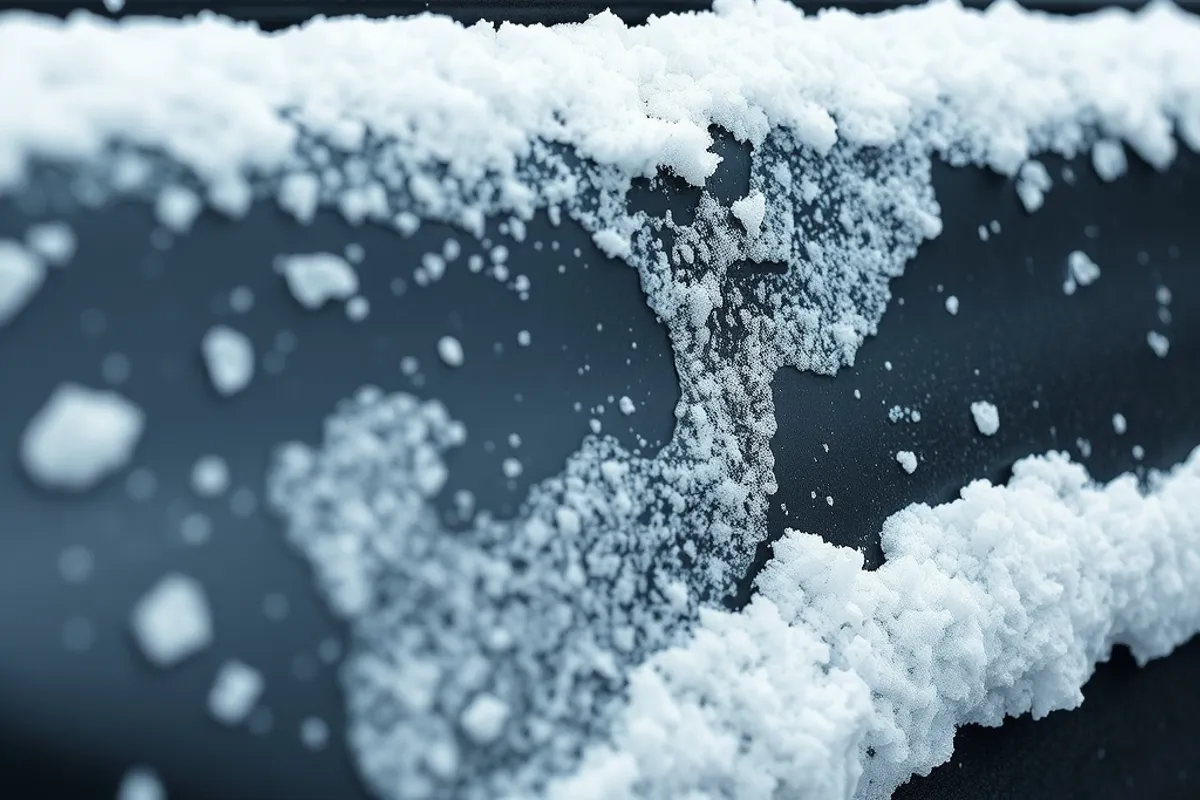
Start with the least aggressive step
Begin with a rinse from the top down. Then apply a foam or a strong pre-soak and let it dwell. This loosens road film and shifts the bulk of the dirt before a mitt touches the car. Work a panel at a time and keep the surface wet.
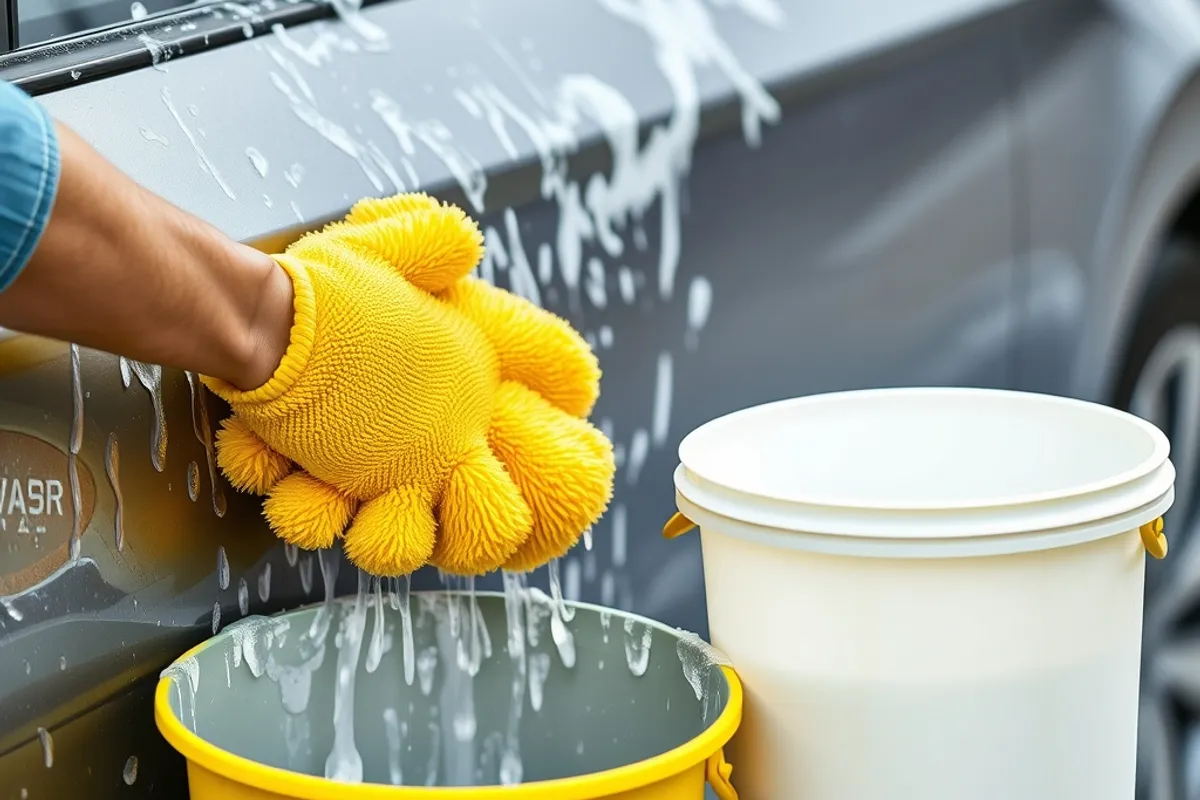
Use two buckets: one with clean soapy water, one with plain rinse water. Rinse the mitt in the second bucket before reloading it. Work from the roof down, and use a separate mitt or brush for the lower panels and wheels, where the grit is heaviest.
Cleaning is not the same as correcting
After washing, the paint may still feel rough. That is bonded contamination: tar, industrial fall-out, insect residue and brake dust. A clay bar with lubricant removes it, but clay can mar soft paint, so use the least aggressive grade that works.
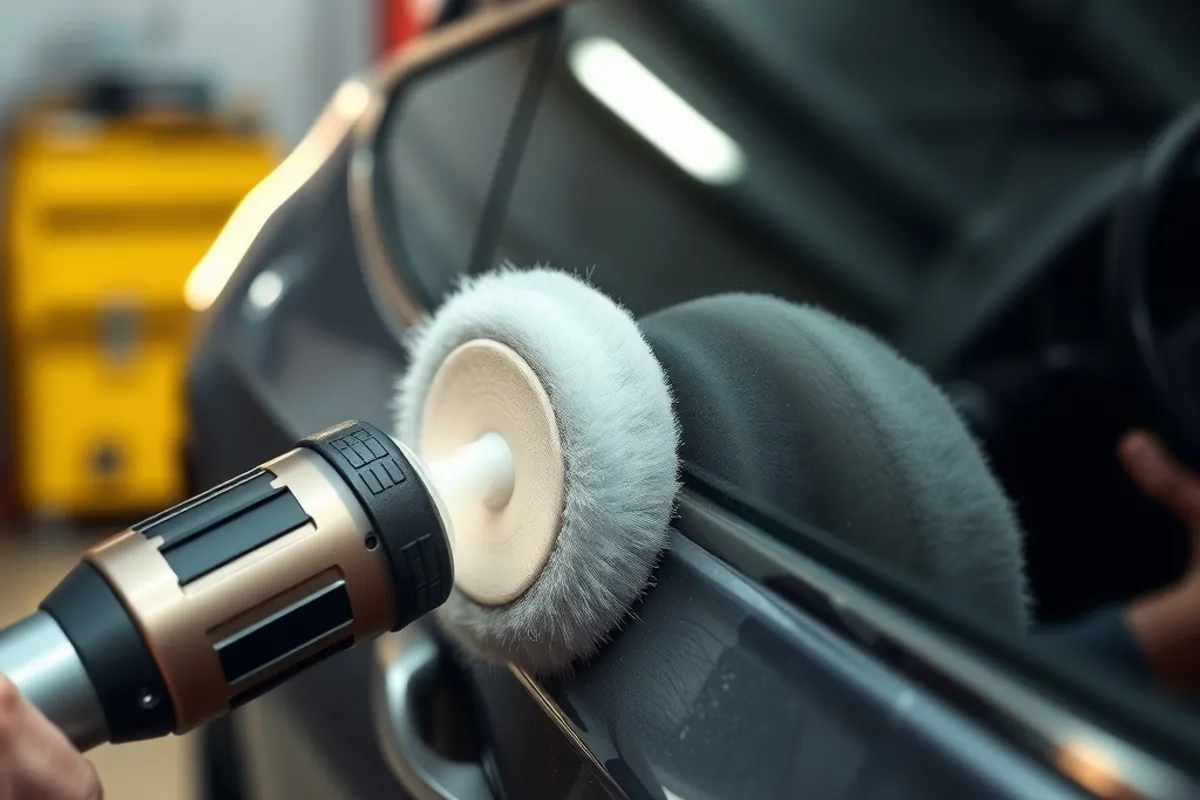
Only now can you judge the paint. Swirls and scratches become visible under a bright, diffused light. If the surface is clean and the defects are shallow, a fine polish on a soft pad may be enough. If the clear coat is thin or the defects are deep, stop and get a paint thickness reading before you cut.
Protection is the last layer
Wax, sealant and ceramic coating all work the same way: they sit on top of the clear coat and take the environmental damage instead of it. The differences are durability, cost and the preparation they demand. None of them fix scratches.
Apply protection in thin, even layers, out of direct sun, and buff before it fully cures. A thick layer does not last longer; it just wastes product and attracts dust. On a daily driver, a sealant every three months is a realistic routine for most owners.
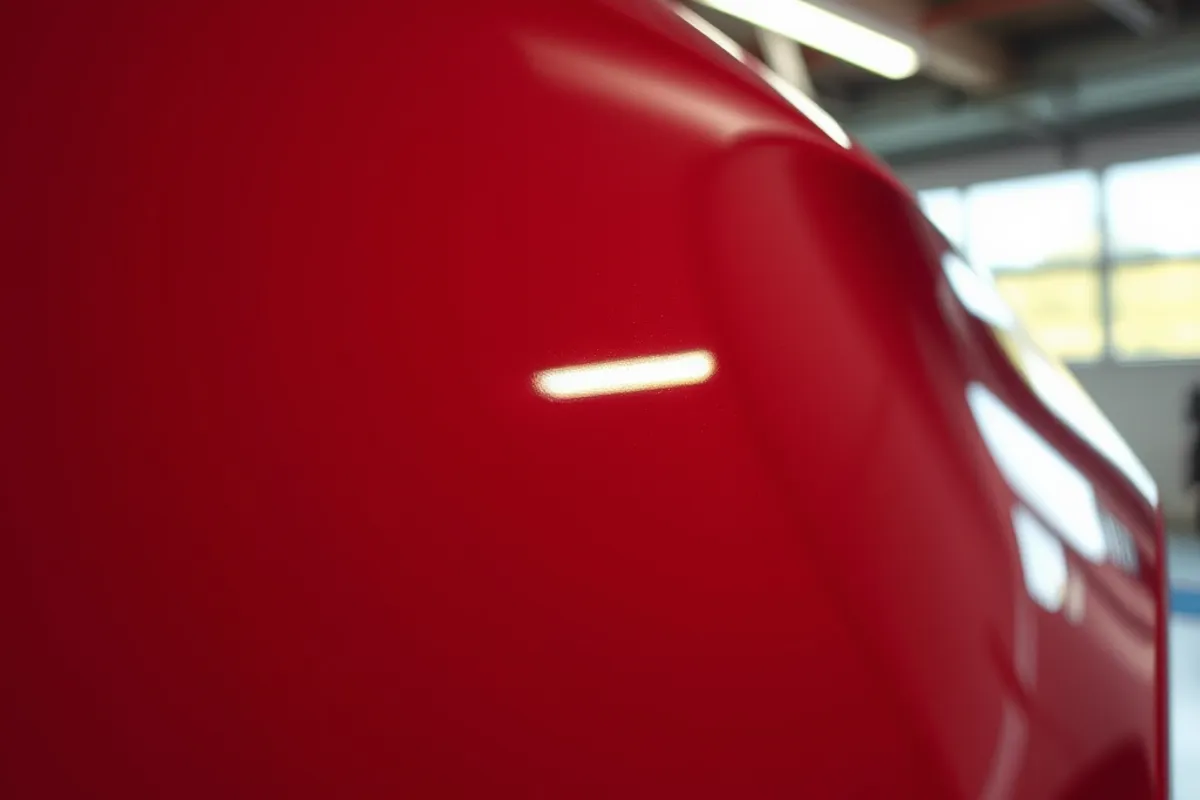
The final check is a water test. Water should bead and roll off a protected panel. If it sheets and clings, the layer is gone or was never applied properly. That is a better signal than the label on the bottle.
For a neutral explanation of what clear coat is and how it fails, the Wikipedia article on clear coat is a useful primer. It will not make you a detailer, but it will help you spot a quote that promises more than the paint can deliver.