Corah Ohmeier | corahohmeier.my.id

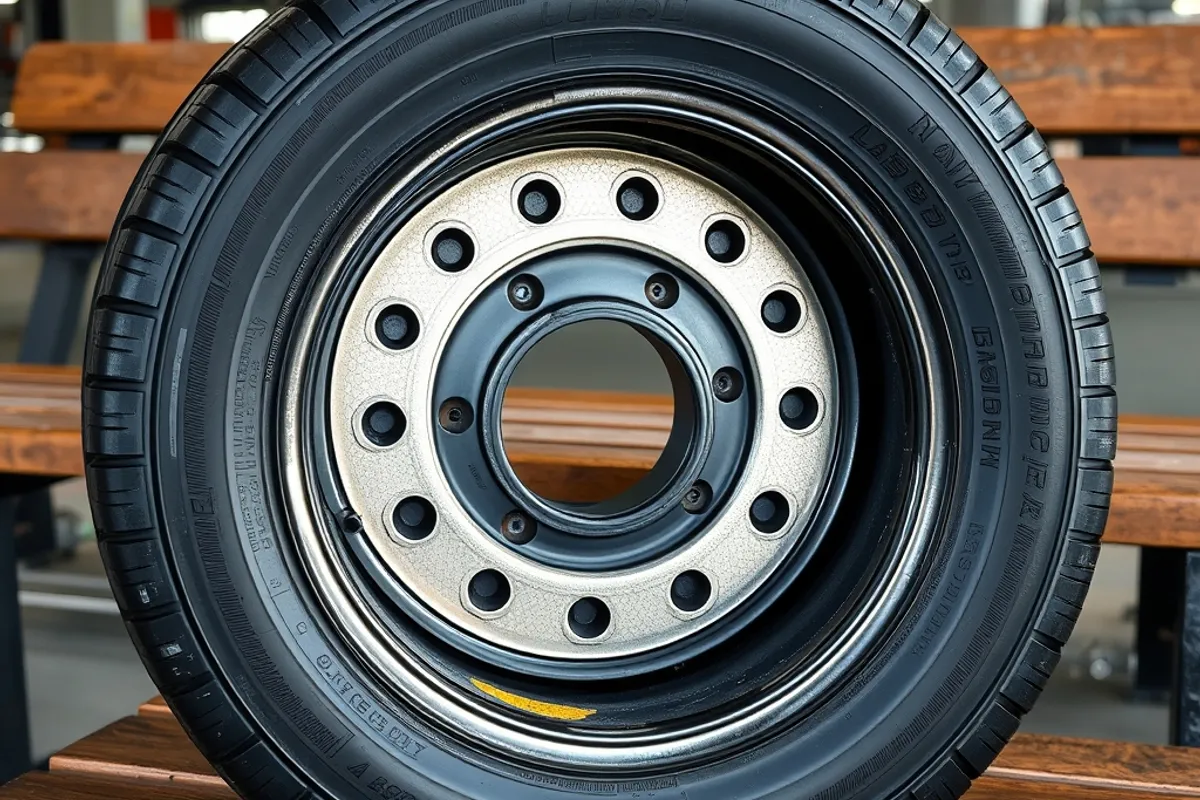
Tire Compounds and Construction Explained

How a Race Weekend Actually Works
From first practice to the chequered flag, a race weekend is a sequence of measured compromises. Here is what each session decides and why the fastest car does not always win.
Racing, detailing & tech
How a Race Weekend Actually Works
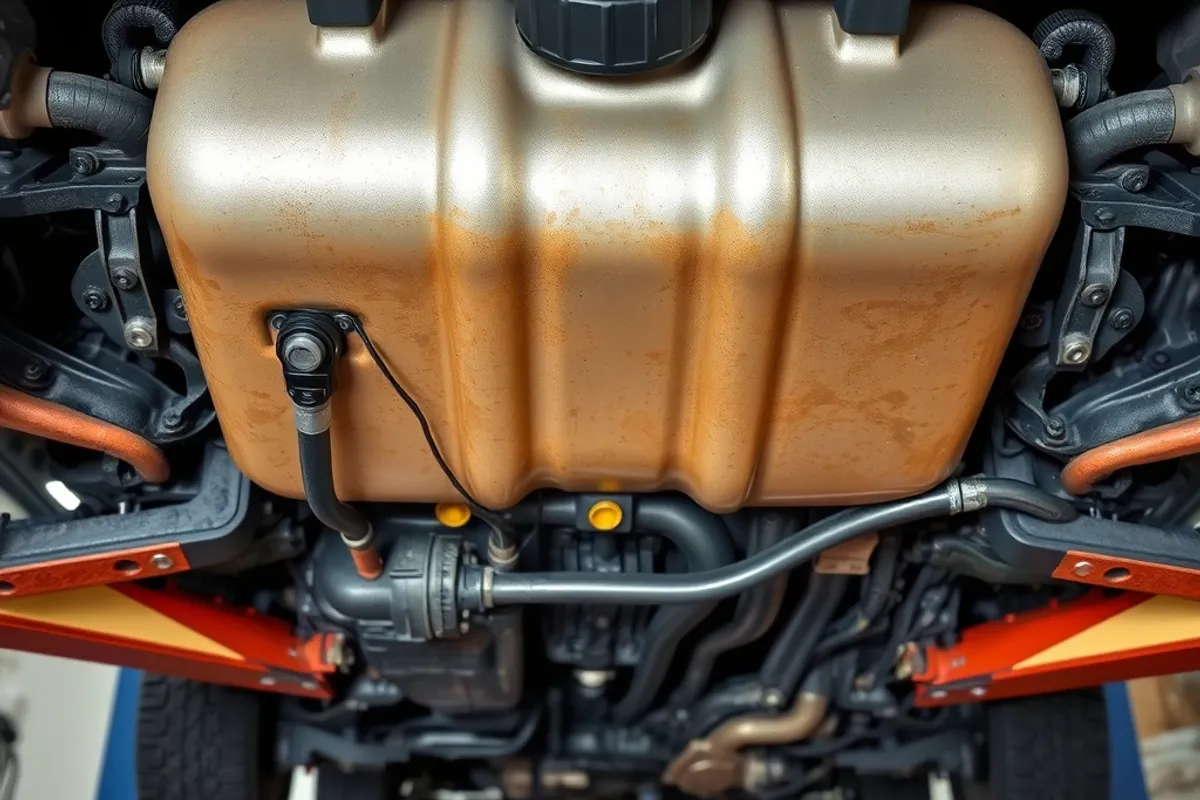
Fuel System Basics: Pump, Filter and Injector
Must Read
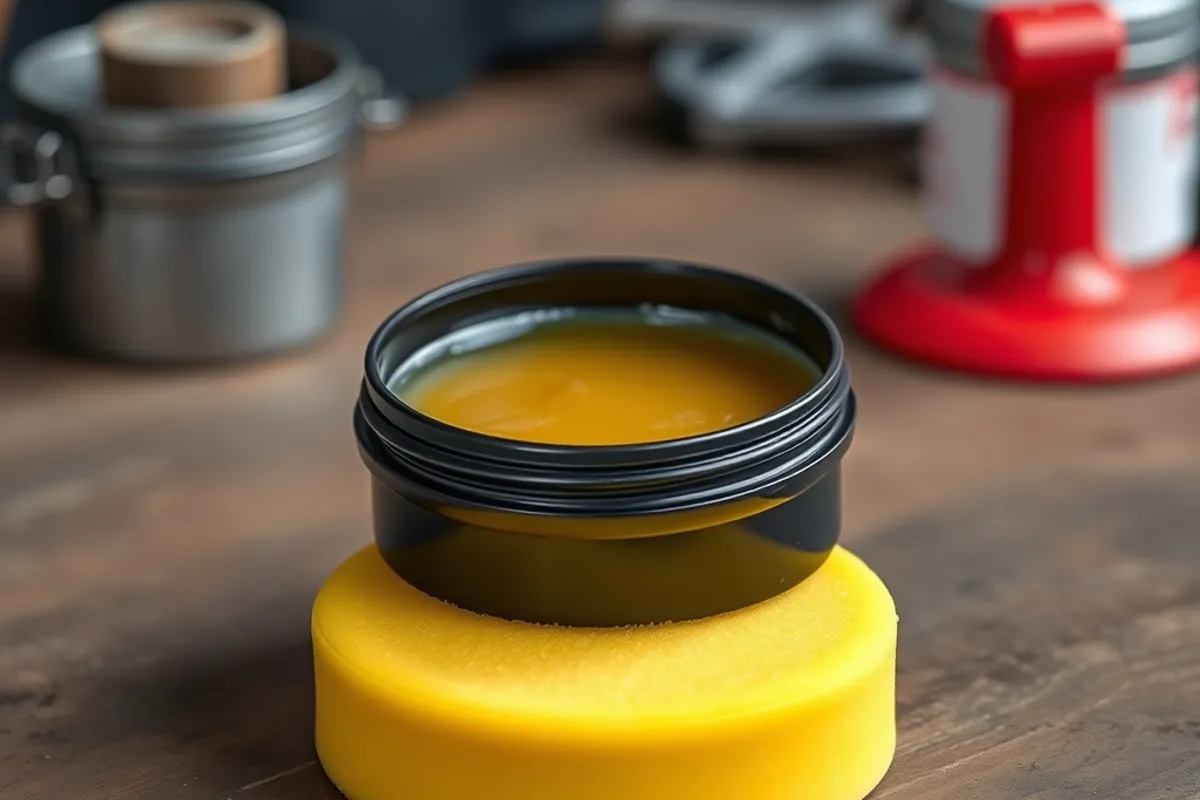
Ceramic Coating vs Wax: What Lasts and What It Costs
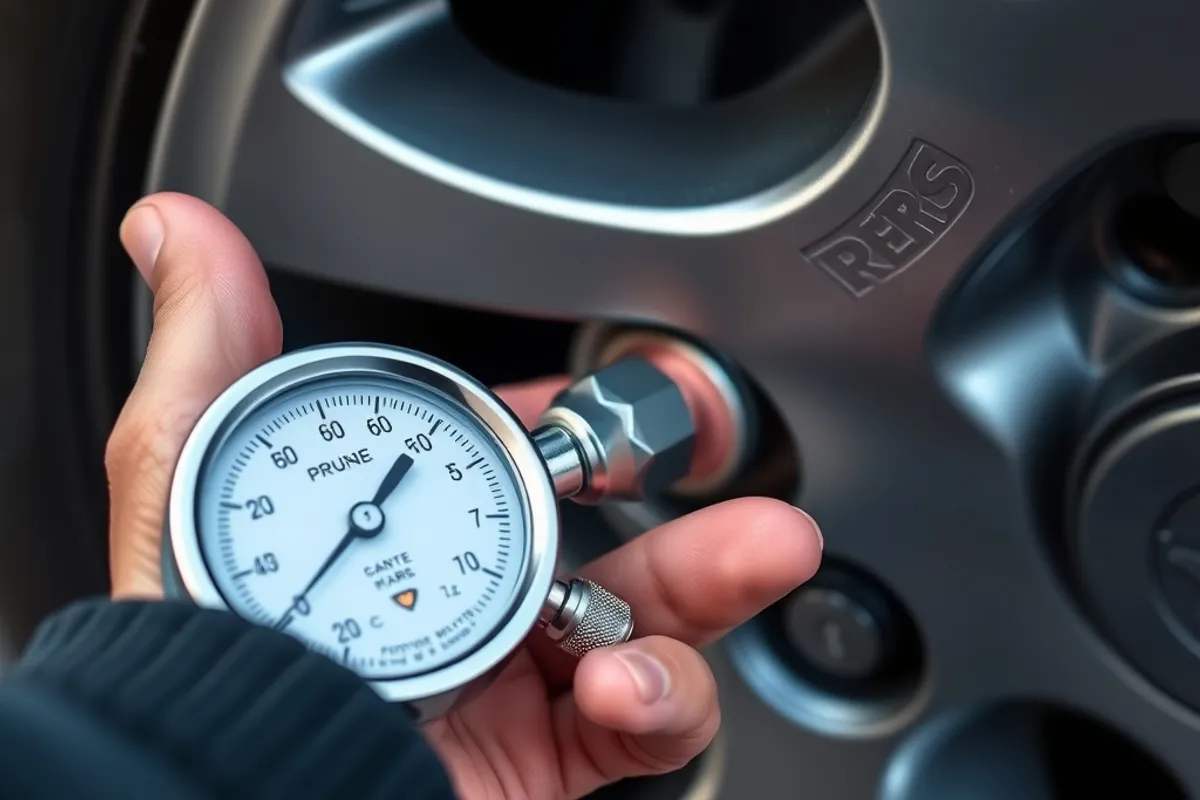
Tire Pressure and Wear: How to Get Longer Life and Safer Stops
Latest Stories
Tire Compounds and Construction Explained
How a Race Weekend Actually Works
Fuel System Basics: Pump, Filter and Injector
Tire Pressure and Wear: How to Get Longer Life and Safer Stops
Ceramic Coating vs Wax: What Lasts and What It Costs
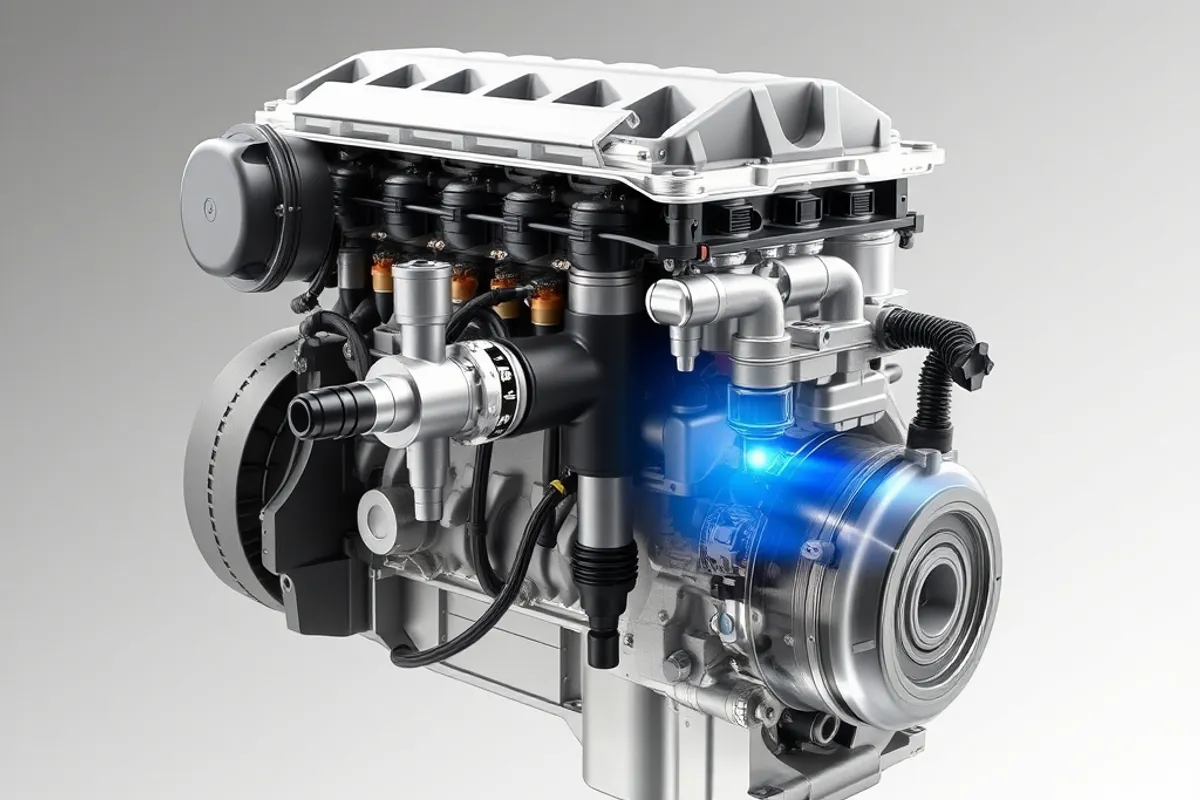
How we test
We start with the workshop manual and the car itself: torque figures, fluid specs, service intervals and the parts that actually fail. Then we check the claim against at least two independent references. A guide only runs when the procedure is clear, safe and repeatable.
We separate what is measured from what is marketing. When a coating claims five years, we ask under what conditions. When a part is called lifetime, we ask whose lifetime. That habit slows us down, and it is the reason our advice stays useful after the launch season ends.
We cross-check specifications against neutral references such as the U.S. Tire Manufacturers Association before we publish. We also confirm procedures with a working mechanic. If a guide is out of date, tell us and we will correct it in public.
Every guide carries the month it was last checked. We list the source, the date and the figures we used. Prices move, specifications change and new models arrive. So we revisit the ten most-read guides each quarter. Anything that no longer matches the record gets rewritten. If a recommendation is withdrawn or a part number is superseded, we update the guide instead of leaving the old advice in place. The correction is noted at the foot of the page. That is slower than publishing once and leaving it. It keeps the archive honest.